
Sabarimala: Kerala’s Sacred Pilgrimage and Cultural Treasure.
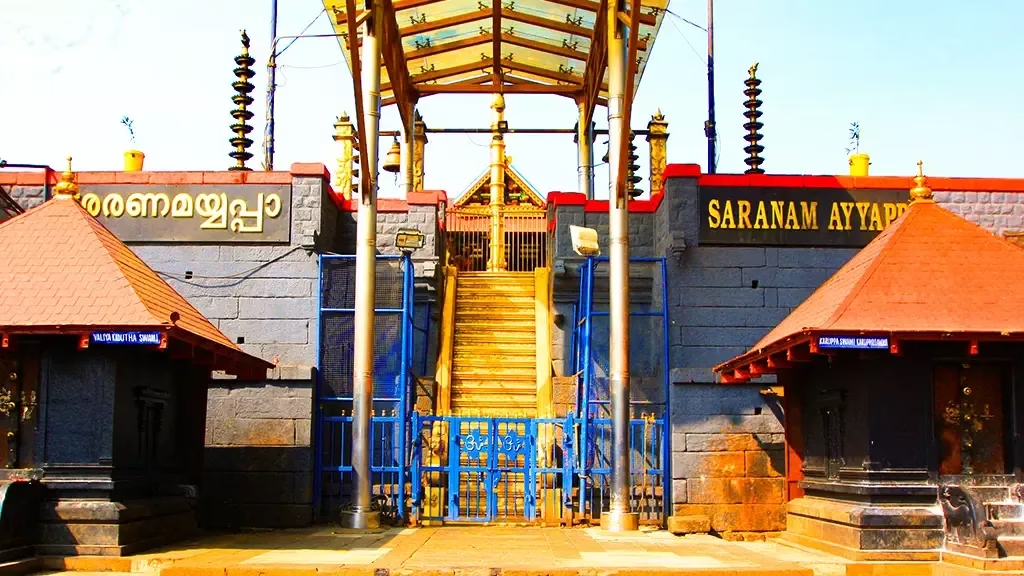
Nestled deep in the Western Ghats of Kerala, India, Sabarimala is one of the most revered pilgrimage destinations in the country. Dedicated to Lord Ayyappa, the temple draws millions of devotees every year, including international travelers seeking spiritual experiences, cultural immersion, and a taste of traditional Kerala life.
This comprehensive guide explores Sabarimala’s spiritual significance, history, rituals, seasonal cuisine, travel tips, age and gender traditions, and cultural richness, providing an in-depth experience for both pilgrims and curious travelers.
Spiritual Significance of Sabarimala
At the heart of Sabarimala is devotion to Lord Ayyappa, known as the Lord of Dharma (Righteousness). Believed to be born from the union of Lord Shiva and Mohini (the female form of Lord Vishnu), Ayyappa represents celibacy, self-discipline, courage, and spiritual enlightenment.
For devotees, a pilgrimage to Sabarimala is more than a temple visit—it is a journey of self-transformation. Devotees undertake a 41-day Vratham, which involves:
Abstaining from non-vegetarian food and alcohol
Wearing simple attire, usually black or blue
Observing celibacy and moral discipline
Practicing daily prayers, meditation, and charity
This spiritual preparation purifies the mind and body, fostering patience, focus, and devotion. Sabarimala’s inclusive ethos allows people of all faiths to partake in the pilgrimage, reflecting Kerala’s rich cultural heritage.
History and Mythology of Sabarimala
Sabarimala’s history intertwines mythology, folklore, and historical accounts:
Ancient Origins: References in scriptures and local folklore indicate that Sabarimala has been a center of worship for centuries.
Mythology: Lord Ayyappa was born to destroy evil forces and uphold righteousness. His celibacy and austerity form the core of the temple’s practices.
Modern Era: Over time, Sabarimala has evolved into one of India’s largest pilgrimage destinations, attracting millions during the Mandala-Makaravilakku season (mid-November to mid-January).
Located within the Periyar Tiger Reserve, the temple’s remote setting adds to its spiritual allure, offering a unique blend of devotion and nature.
Learn More: https://www.keralatourism.org/sabarimala/mythology

The Pilgrimage: Journey of Discipline and Devotion
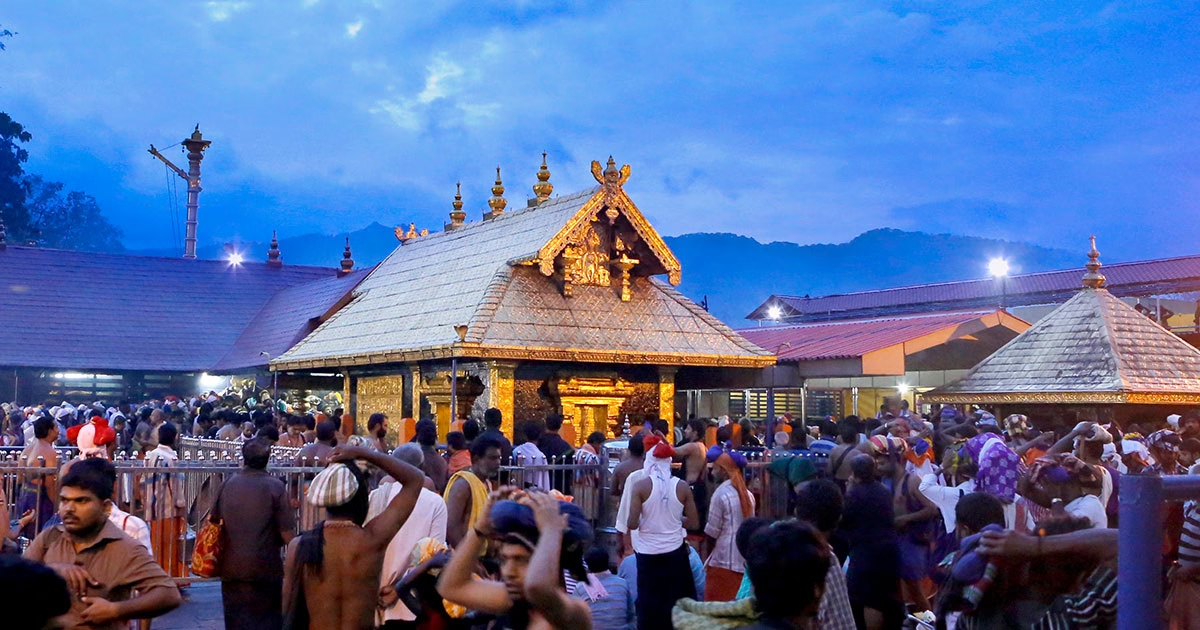
Sabarimala’s pilgrimage is a test of endurance, faith, and discipline. Devotees, or Ayyappa Swamis, prepare mentally and physically for weeks or months.
The 41-Day Vratham
During the Vratham, devotees observe strict discipline:
Abstaining from alcohol, smoking, and non-vegetarian foods
Wearing simple clothing (black or blue)
Maintaining celibacy and moral conduct
Practicing daily prayers and meditation
This period purifies the mind and body, fostering patience, focus, and devotion.
Irumudi Kettu: The Sacred Bundle
Every devotee carries an Irumudi Kettu (Sacred Bundle), a cloth bag containing:
Offerings for Lord Ayyappa
Personal items needed for the pilgrimage
The Irumudi Kettu is mandatory for ascending the 18 holy steps leading to the sanctum sanctorum. Carrying it symbolizes devotion, readiness, and humility, marking the devotee’s spiritual commitment.
Trek to the Hilltop Temple
The temple sits 4,200 feet above sea level. Pilgrims trek several kilometers barefoot through dense forests, streams, and rocky terrain. Walking barefoot is a tradition that signifies humility, devotion, and connection to nature. The journey is physically demanding and spiritually enriching, allowing devotees to immerse themselves fully in the pilgrimage experience.
The 18 Holy Steps
The 18 sacred steps leading to the sanctum sanctorum represent spiritual principles like knowledge, discipline, and devotion. Only devotees carrying the Irumudi Kettu and observing the Vratham may ascend these steps.
Note on Access: Sabarimala has age and gender restrictions. Women of menstruating age (approximately 10–50 years) are not permitted to enter the temple premises or ascend the holy steps, following traditional temple practices. Women outside this age range may visit.
Why These Restrictions Exist:
The restrictions at Sabarimala are rooted in centuries-old spiritual traditions. Lord Ayyappa, the deity worshiped here, is considered a celibate god. The rules regarding women of menstruating age are intended to preserve the celibacy and sanctity of the deity, not to discriminate. These practices are part of the unique spiritual and ritual framework of the temple and have been followed by devotees for generations. The focus of the pilgrimage is devotion, discipline, and spiritual purification, applicable to all pilgrims within the guidelines.
Unique Rituals and Festivals at Sabarimala
Sabarimala is rich in rituals and festivals, reflecting centuries of devotion.
Makaravilakku Festival
The Makaravilakku festival, held in January, marks the appearance of the sacred light on Ponnambalamedu. Millions gather to witness this event, making it one of India’s most significant religious gatherings.
Prasadam and Offerings
Devotees receive Aravana Payasam, a sweet rice pudding offered to Lord Ayyappa, symbolizing purity, devotion, and community. Other offerings include coconuts, bananas, and ghee, reflecting Kerala’s agricultural abundance.
Seasonal Foods and Culinary Traditions
Food is an integral part of the pilgrimage. Kerala’s cuisine emphasizes wholesome, energy-rich vegetarian dishes suitable for the rigorous journey.
Puttu and Kadala Curry: Steamed rice flour cylinders with black chickpea curry, providing strength and sustenance.
Appam with Coconut Milk: Soft, lacy rice pancakes paired with sweetened coconut milk, light yet nourishing.
Bananas and Tapioca Snacks: Easily portable, providing quick energy during the trek.
Aravana Payasam (Temple Sweet): Sweet rice pudding shared among devotees, embodying simplicity, devotion, and Kerala culinary tradition.

Travel Tips for International Pilgrims
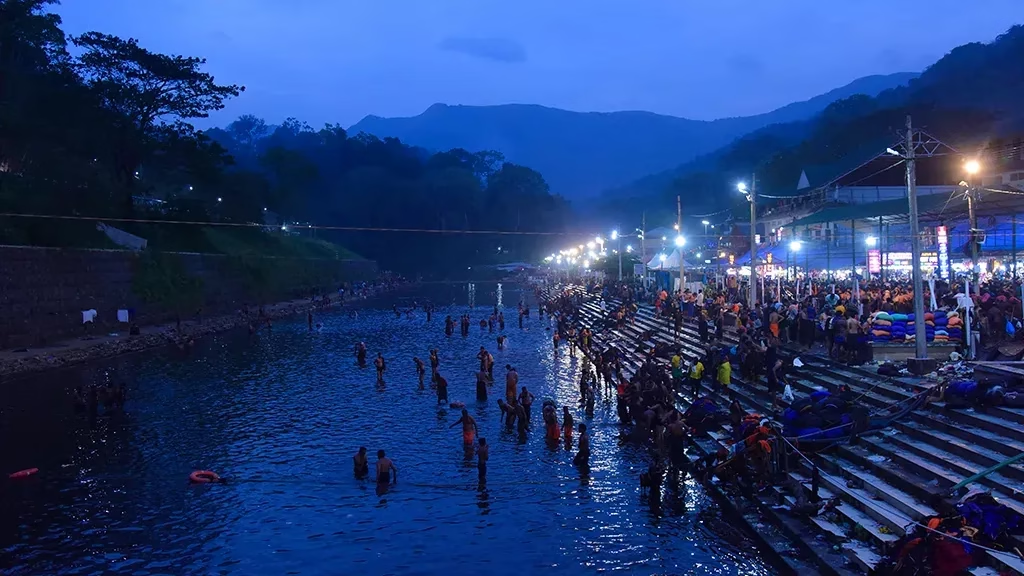
Foreign visitors can experience Sabarimala as both a spiritual pilgrimage and cultural immersion. It is important to respect local traditions and prepare accordingly.
Planning Your Visit
Peak season: Mandala-Makaravilakku (November–January) attracts the largest crowds.
Off-peak visits: Visiting before or after this season offers a calmer experience with fewer pilgrims.
Respecting Local Customs
Dress code: Wear simple clothing, preferably black or blue.
Irumudi Kettu (Sacred Bundle): Essential for all devotees and mandatory to ascend the holy steps.
Barefoot Trekking: Pilgrims traditionally walk barefoot as a sign of humility and devotion.
Age and Gender Restrictions: Women of menstruating age (10–50 years) are not allowed to enter the temple premises or climb the holy steps; women outside this age range may visit.
Staying Hydrated and Energized
Carry water and energy-rich vegetarian snacks.
Traditional Kerala foods such as bananas, tapioca, and Puttu with Kadala curry are ideal for sustaining energy during the trek.
Rest periodically to avoid fatigue.
Language and Cultural Etiquette
English is widely understood in Kerala, but learning a few basic Malayalam phrases enhances interaction and shows respect.
Observe rituals quietly and follow guidance from temple authorities.
Photography is allowed in some areas but restricted inside the sanctum sanctorum.
Health and Safety
Ensure fitness for walking barefoot on rocky and uneven terrain.
First aid and medical help are available along the route.
Respect the natural environment—avoid littering and be mindful of wildlife.
Experiencing Kerala’s Culture Through Sabarimala
Sabarimala is more than a temple; it offers a window into Kerala’s culture.
Music, Art, and Handicrafts: Devotional songs, chants, and bell ringing create a serene ambiance. Nearby villages offer handloom textiles and traditional handicrafts.
Nature Immersion in the Western Ghats: Trek through forests, streams, and hills, with opportunities for wildlife observation and photography.
Culinary Exploration: Enjoy seasonal Kerala vegetarian dishes, sample local snacks and temple prasadam, and experience the simplicity and devotion behind each meal.
Why Sabarimala Appeals to Foreign Visitors
International travelers are drawn to Sabarimala for several reasons:
Authentic spiritual experience unlike commercial tourist spots.
Cultural immersion in Kerala traditions, festivals, and cuisine.
Nature and adventure in the Western Ghats.
Culinary exploration of seasonal, wholesome vegetarian foods.
Plan Your Sabarimala Pilgrimage
Whether you are a devotee or a curious traveler, planning ahead is key to fully experiencing the spiritual and cultural richness of Sabarimala. For official information on pilgrim registration, temple timings, travel guidelines, and festivals, visit the official temple website:
https://sabarimala.kerala.gov.in
For additional travel guidance, route details, accommodation options, and general pilgrimage resources, check the official page maintained by Kerala Tourism:
https://www.keralatourism.org/sabarimala/
Start your journey of faith, culture, and culinary discovery today — make your pilgrimage to Sabarimala safe, meaningful, and unforgettable!
Disclaimer: All images, information, and resources used in this article are sourced from Kerala Tourism and official Sabarimala websites. This article is intended for informational purposes only to help readers plan their pilgrimage and explore Kerala’s culture. Readers are advised to check official sources for the latest updates on temple timings, travel guidelines, and festival schedules.

You Might Also Like
Karkidakam: A Month of Rejuvenation and Wellness
Karkidakam, the last month of the Malayalam calendar, holds immense significance in...
New Year New Flavors – A Flavorful Journey Ahead with Pungu’s Kitchen
Happy New Year! As we bid farewell to 2024 and welcome the...
International Mother’s Day: A Celebration of Unconditional Love and Nurturing Souls.
Celebrate the love, sacrifice, and nurturing spirit of mothers this International Mother's...
Effective Weight Loss Diet: A Balanced Approach to Shedding Pounds.
A successful weight loss diet is all about balance — creating a...
Choking First Aid: Complete Guide for Adults, Children, and Infants
Choking can happen to anyone, anytime. Common causes include eating too quickly,...
Our Sister Aswathy Shines Brightly in the Pothys Advertisement Film.
Our sister Aswathy recently starred in the Pothys advertisement film, showcasing her...