Chicken and Mutton Liver: A Nutrient Powerhouse Often Overlooked.
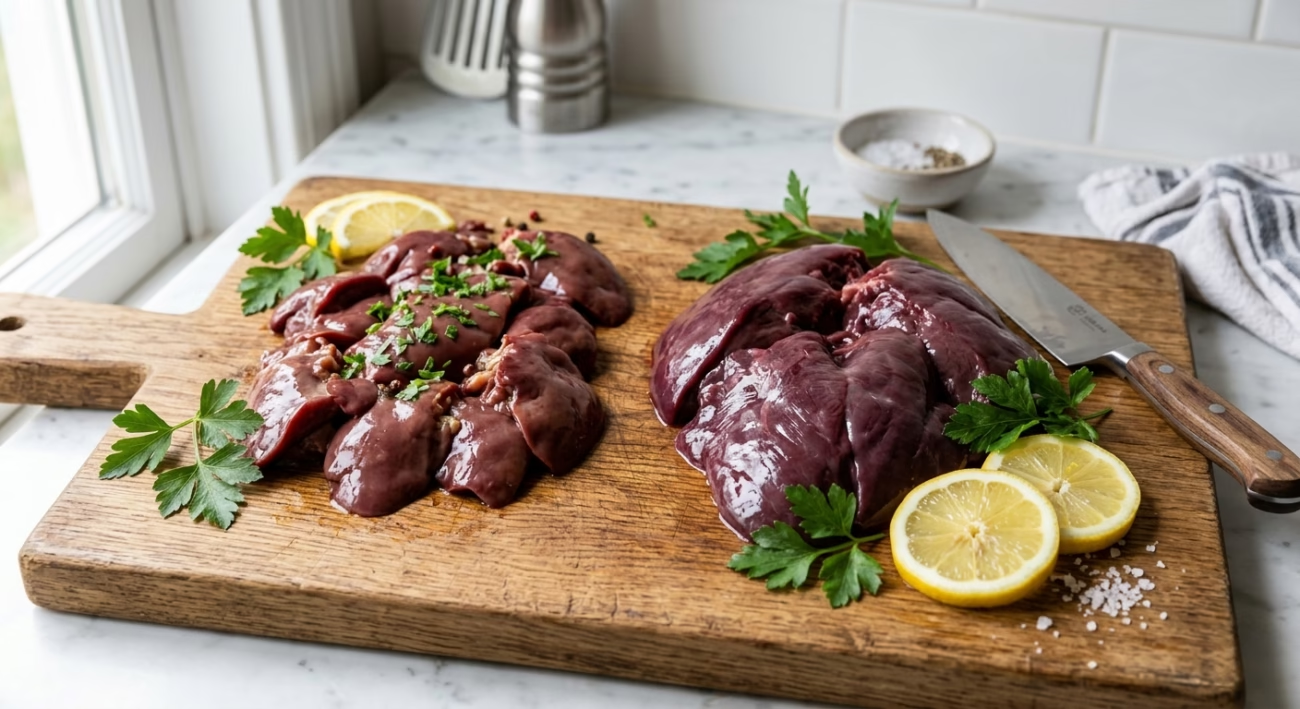
In many households, chicken and mutton are commonly consumed meats, but their internal organs—especially the liver—are often ignored or avoided. However, nutrition experts emphasize that liver is one of the most nutrient-dense foods available in a regular diet. When consumed in moderation, chicken and mutton liver can provide a wide range of essential vitamins, minerals, and proteins that support overall health and well-being.
Despite its strong taste and texture, liver has been traditionally included in various cuisines around the world for its medicinal and nutritional value. In recent years, modern science has also confirmed that organ meats like liver are rich in micronutrients that are often lacking in daily diets.
Why Liver is Considered a Superfood
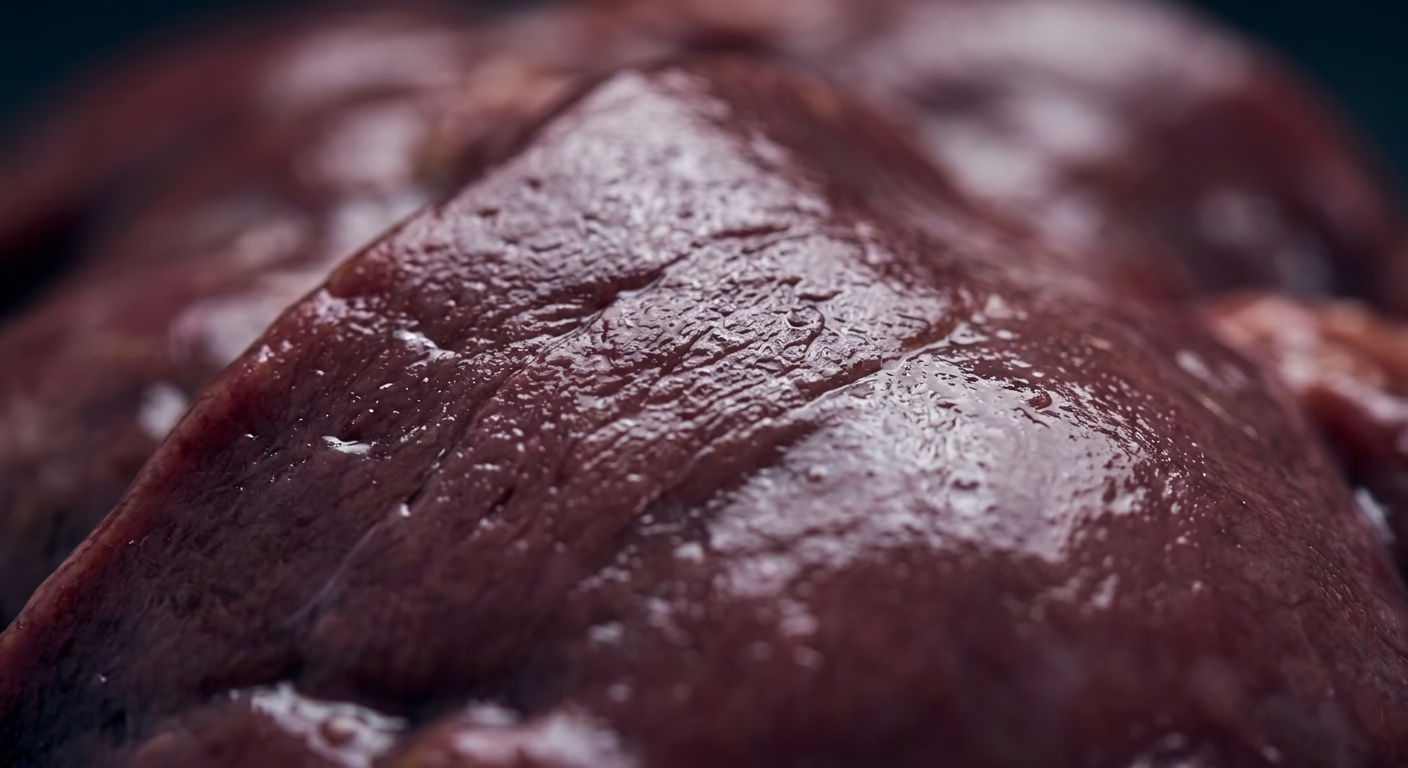
Chicken and mutton liver are classified as organ meats, which are biologically responsible for detoxification and nutrient storage in animals. Because of this function, they naturally contain concentrated levels of vitamins and minerals.
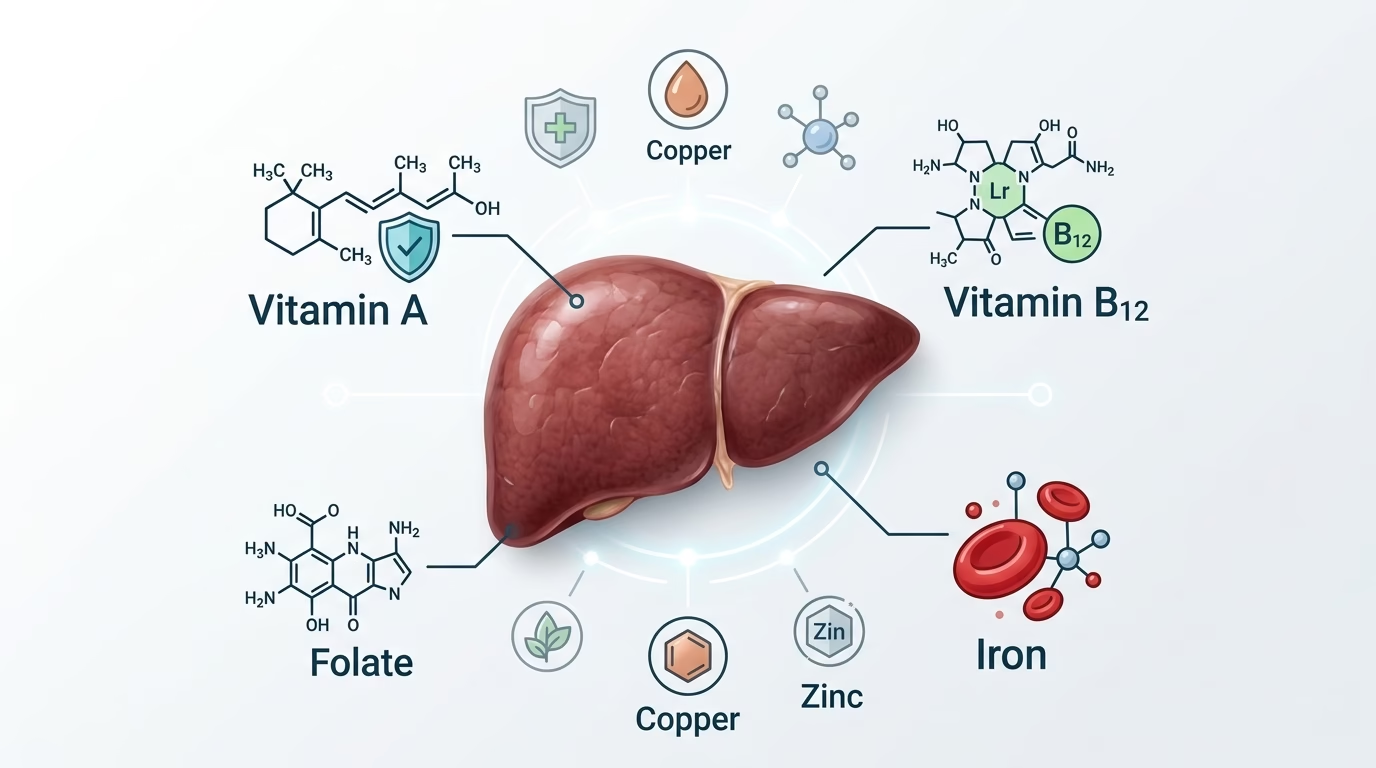
Unlike muscle meat, liver contains significantly higher amounts of Vitamin A, Vitamin B-complex, iron, and essential amino acids. These nutrients play a key role in maintaining energy levels, immunity, and blood health.
Detailed Nutritional Composition
| Nutrient | Benefit |
| Protein | Supports muscle growth, repair, and overall body maintenance |
| Iron | Improves hemoglobin levels and prevents anemia |
| Vitamin A | Supports vision, skin health, and immunity |
| Vitamin B12 | Essential for nerve function and red blood cell formation |
| Folate (Vitamin B9) | Important for DNA synthesis and cell regeneration |
| Zinc | Boosts immune system and supports wound healing |
| Copper | Aids iron absorption and supports brain function |
| Choline | Supports brain development and liver function |
Health Benefits of Chicken and Mutton Liver
Improves Blood Health
One of the most significant advantages of consuming chicken and mutton liver is its powerful impact on blood health. Liver is exceptionally rich in heme iron, which is the most easily absorbed form of iron by the human body. Unlike plant-based iron (non-heme iron), heme iron is directly utilized for the production of hemoglobin—the protein in red blood cells responsible for carrying oxygen throughout the body.
In addition to iron, liver contains a high concentration of Vitamin B12, a crucial nutrient required for red blood cell formation and DNA synthesis. A deficiency in Vitamin B12 can lead to fatigue, weakness, and neurological issues.
Regular but moderate consumption of liver can:
- Increase hemoglobin levels
- Improve oxygen circulation
- Reduce symptoms like dizziness and fatigue
- Support individuals suffering from iron-deficiency anemia
This makes liver particularly beneficial for people with low iron levels, women with heavy menstrual cycles, and individuals recovering from illness.
Boosts Energy Levels
Liver is often referred to as a natural “energy booster” due to its dense concentration of B-complex vitamins, including B2 (riboflavin), B3 (niacin), B5 (pantothenic acid), B6, and B12. These vitamins play a critical role in converting carbohydrates, fats, and proteins into usable energy for the body.
Unlike sugary or processed foods that provide temporary energy spikes, the nutrients in liver support sustained energy production at a cellular level. This means improved stamina and reduced fatigue throughout the day.
Key benefits include:
- Enhanced metabolic efficiency
- Reduced tiredness and lethargy
- Improved physical performance
- Better recovery after physical exertion
For individuals with busy lifestyles, physically demanding jobs, or frequent fatigue, incorporating liver occasionally into the diet can help maintain steady energy levels.
Strengthens Immunity
Chicken and mutton liver are packed with immune-supporting nutrients, making them an excellent addition to a diet focused on disease prevention. One of the key components is Vitamin A, which plays a vital role in maintaining the integrity of the skin and mucous membranes—the body’s first line of defense against infections.
Additionally, liver contains zinc and copper, both essential minerals for proper immune system function. Zinc helps in the development and activation of immune cells, while copper supports the production of white blood cells.
Regular intake in controlled amounts may:
- Improve the body’s ability to fight infections
- Reduce the duration of common illnesses
- Enhance wound healing
- Support overall immune resilience
This makes liver particularly useful during seasonal changes or for individuals prone to frequent infections.
Supports Brain Function
Liver is highly beneficial for brain health due to its rich content of choline and Vitamin B12. Choline is a nutrient that plays a key role in the production of acetylcholine, a neurotransmitter responsible for memory, mood, and muscle control.
Vitamin B12, on the other hand, is essential for maintaining the health of nerve cells and supporting proper neurological function. A deficiency in B12 can lead to memory issues, poor concentration, and even mood disturbances.
Consuming liver in moderation can:
- Improve memory and focus
- Support cognitive performance
- Reduce the risk of neurological decline
- Enhance mental clarity
This makes liver especially beneficial for students, professionals, and older adults aiming to maintain sharp brain function.
Promotes Eye Health
One of the standout nutrients in liver is Vitamin A, which is crucial for maintaining healthy vision. Vitamin A supports the functioning of the retina and helps the eyes adapt to low-light conditions.
A deficiency in Vitamin A can lead to issues such as night blindness, dry eyes, and, in severe cases, vision impairment. Liver provides this vitamin in its most active and bioavailable form (retinol), making it highly effective.
Benefits for eye health include:
- Improved night vision
- Reduced risk of age-related eye disorders
- Protection against dryness and irritation
- Support for overall visual clarity
However, since Vitamin A is fat-soluble and stored in the body, excessive intake should be avoided.
Supports Muscle Growth and Repair
Liver is an excellent source of high-quality protein, containing all essential amino acids required for muscle growth, repair, and maintenance. Unlike some other protein sources, liver also provides additional nutrients that enhance protein utilization in the body.
This makes it particularly valuable for:
- Individuals recovering from illness or surgery
- Athletes and physically active individuals
- People looking to maintain muscle mass
In addition to protein, liver contains iron and B vitamins that improve oxygen delivery to muscles, enhancing endurance and reducing muscle fatigue.
Regular consumption in moderate amounts can:
- Support faster muscle recovery
- Improve strength and endurance
- Prevent muscle breakdown
- Aid in overall physical performance
Comparison: Liver vs Regular Meat
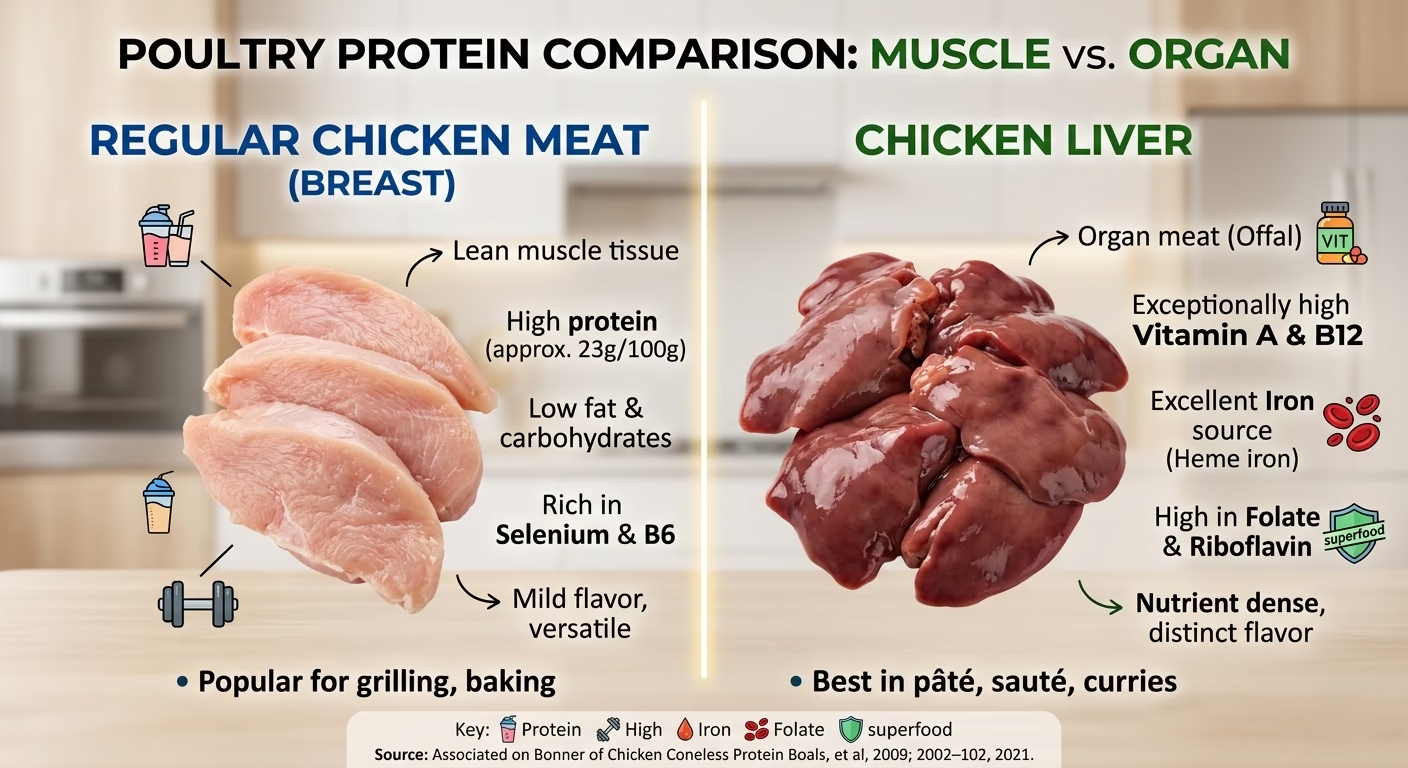
| Aspect | Regular Chicken/Mutton Meat | Liver |
| Protein | High | Very High |
| Iron | Moderate | Extremely High |
| Vitamin A | Low | Very High |
| Vitamin B12 | Moderate | Very High |
| Calories | Moderate | Moderate |
| Nutrient Density | Medium | Very High |
Who Should Eat Liver?
Liver can be beneficial for:
- People with iron deficiency or anemia
- Individuals recovering from illness
- Those with low energy or fatigue
- People needing vitamin B12 supplementation through diet
However, it should always be consumed in moderation and not as a daily food item.
Important Health Warnings
While liver is highly nutritious, it is not suitable for everyone in large amounts. Medical experts caution against excessive intake due to the following reasons:
- High cholesterol content
- Excess Vitamin A may lead to toxicity if overconsumed
- Not recommended for people with liver disorders or severe heart disease without medical advice
Pregnant women are also advised to limit intake due to very high Vitamin A levels.
Recommended Consumption
Nutritionists generally recommend consuming liver:
- 1–2 times per week
- In small to moderate portions
- Cooked properly to ensure safety and digestion
Conclusion
Chicken and mutton liver are often underestimated in daily diets, yet they are among the most nutrient-rich foods available. Packed with essential vitamins, minerals, and high-quality protein, liver can support blood health, immunity, brain function, and energy levels when consumed responsibly.
However, balance is key. Overconsumption can lead to unwanted health effects, especially due to high Vitamin A and cholesterol levels. Including liver occasionally as part of a balanced diet can provide significant health benefits without risks.
As nutrition awareness grows, more people are rediscovering traditional foods like liver, which were once considered vital sources of strength and vitality in many cultures.
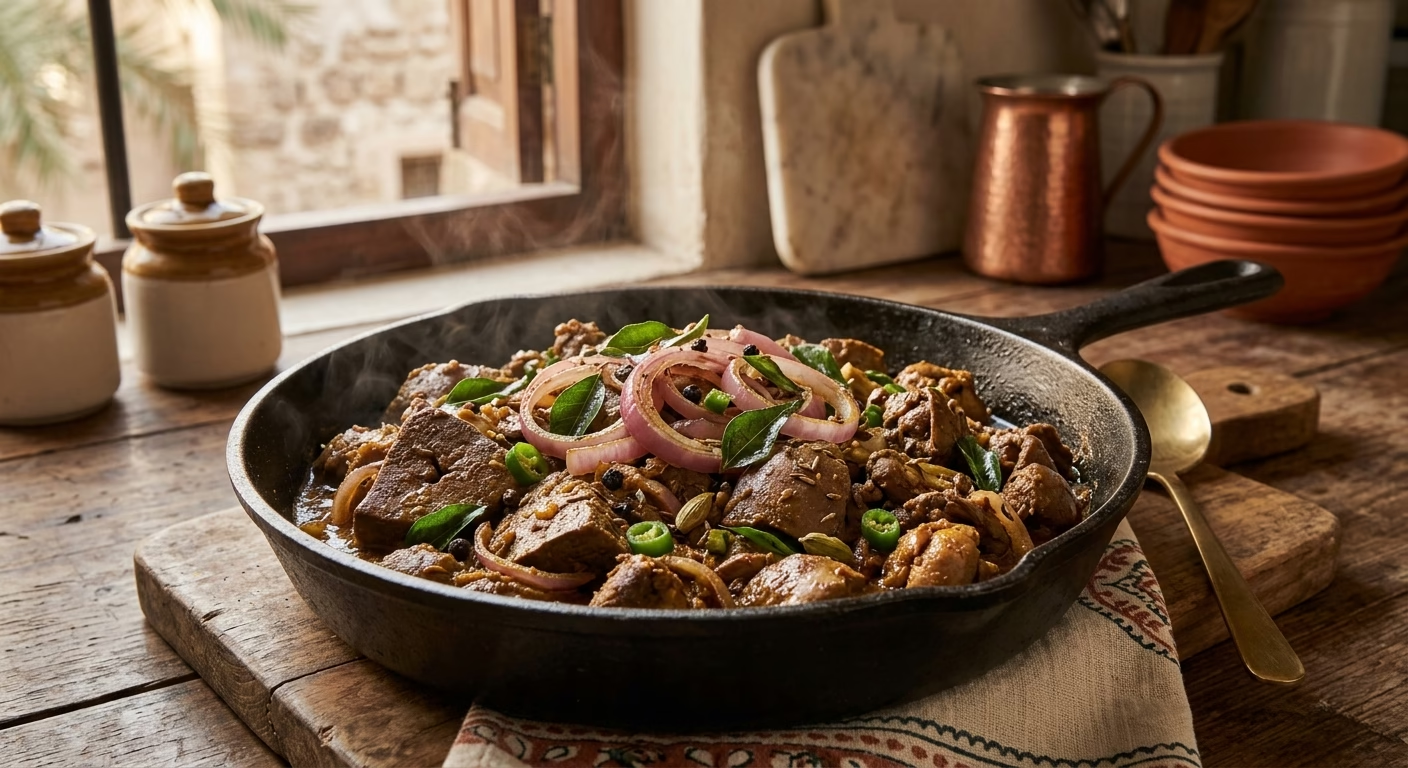
🍳 Simple Chicken Liver Roast Recipe (Healthy Style)
Chicken liver roast is a flavorful and nutrient-rich dish that can be prepared quickly with simple ingredients. When cooked properly with mild spices, it becomes both delicious and highly nutritious.
🧾 Ingredients
| Ingredient | Quantity |
| Chicken liver | 250 grams |
| Onion (sliced) | 2 medium |
| Tomato (chopped) | 1 medium |
| Garlic (crushed) | 5–6 cloves |
| Ginger (paste) | 1 teaspoon |
| Green chilies | 2 (optional) |
| Turmeric powder | 1/2 teaspoon |
| Red chili powder | 1 teaspoon |
| Black pepper | 1/2 teaspoon |
| Salt | As required |
| Curry leaves | A few |
| Oil (preferably coconut or olive oil) | 2 tablespoons |
👨🍳 Cooking Method
- Wash the chicken liver thoroughly and clean any blood or impurities.
- Heat oil in a pan and add curry leaves, garlic, and ginger paste. Sauté until aromatic.
- Add sliced onions and cook until golden brown.
- Add tomatoes and cook until soft and mashed.
- Add turmeric, chili powder, black pepper, and salt. Mix well.
- Add chicken liver and stir well to coat with spices.
- Cook on medium flame for 10–15 minutes until liver is fully cooked and tender.
- Stir occasionally to avoid sticking and ensure even cooking.
- Optional: Add a few drops of lemon juice before serving.
🥗 Nutritional Value (Per 100g Chicken Liver)
| Nutrient | Approximate Value | Health Benefit |
| Calories | 165 kcal | Provides energy |
| Protein | 25 g | Muscle growth and repair |
| Iron | 6.2 mg | Improves hemoglobin levels |
| Vitamin A | ~9000 IU | Supports vision and immunity |
| Vitamin B12 | ~16 µg | Supports brain and nerve function |
| Folate | ~560 µg | Cell regeneration |
| Zinc | 4–5 mg | Boosts immunity |
⚠️ Disclaimer: This article is intended for general informational and educational purposes only. The nutritional values and health benefits mentioned are based on commonly available dietary information and should not be considered medical advice.
Chicken liver and mutton liver are highly nutritious foods but may not be suitable for everyone. They contain high levels of cholesterol and Vitamin A, which can be harmful if consumed in excess.
Individuals with existing health conditions such as heart disease, high cholesterol, liver disorders, kidney issues, or any chronic illness should consult a qualified healthcare professional before including organ meats in their regular diet.
Pregnant and breastfeeding women are also advised to seek medical guidance before consuming liver due to its high Vitamin A content.
This content does not replace professional medical advice, diagnosis, or treatment. Always consult a qualified healthcare provider for any medical or dietary concerns

You Might Also Like
Pazham Kanji: A Traditional Fermented Rice Dish for Health and Sustainability.
Pazham Kanji is a fermented rice dish made from leftover rice, rich...
The Science of Chapati: The Story of Wheat, Gluten, and the Chemistry Behind India’s Most Loved Bread.
Discover the science and art behind the perfect chapati — from the...
Managing Toddler Foods
Feeding toddlers can be both a delightful and challenging experience. As children...
Milk Feeding Safety Steps for Babies: Importance, Nutrients, and Practical Tips Every Parent Should Know
Embracing Wellness with Yoga and Good Food
In today's fast-paced world, maintaining balance in both mind and body is...
A Bond Beyond Borders: Honouring Breastfeeding and Motherhood Around the World.
August is National Breastfeeding Month, celebrating the special bond between mothers and...