
The Science of Chapati: The Story of Wheat, Gluten, and the Chemistry Behind India’s Most Loved Bread.
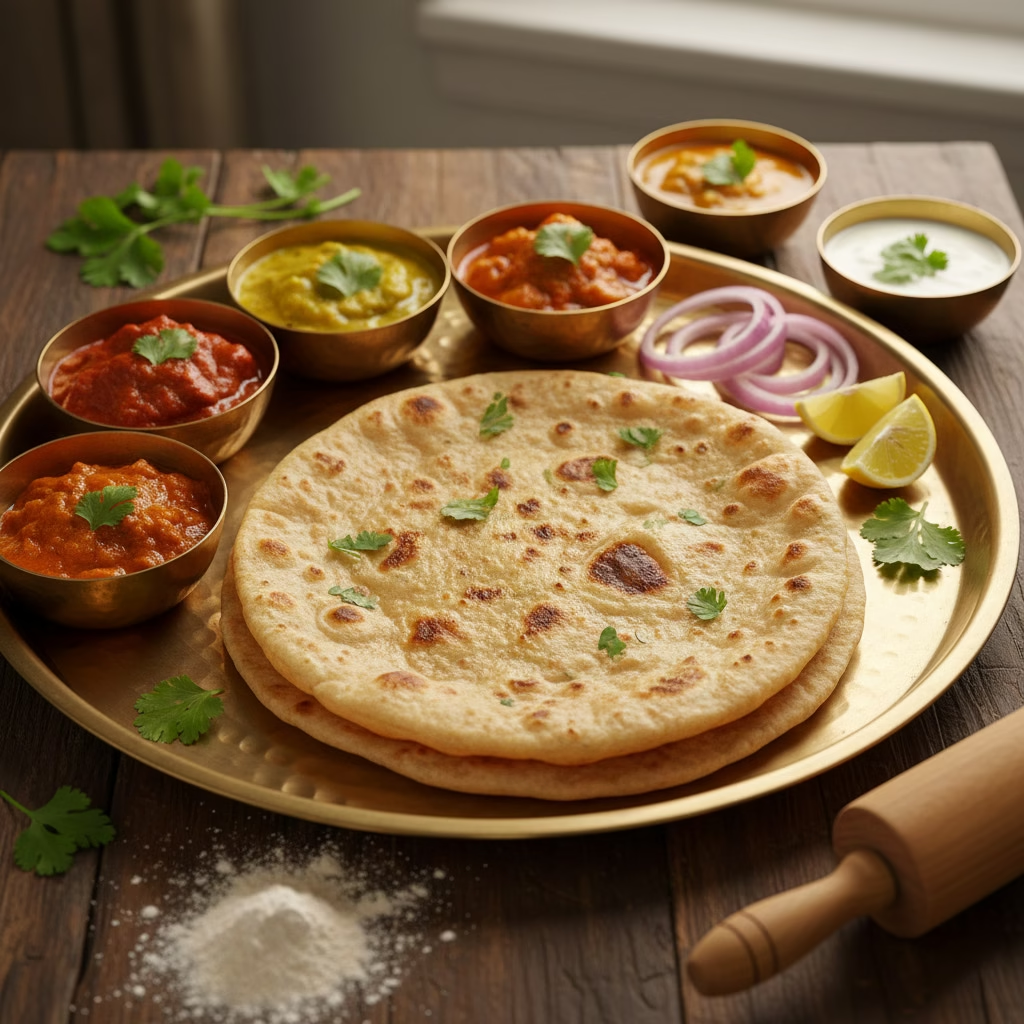
Across countless Indian homes, a familiar rhythm unfolds every evening: flour sifted into a wide steel bowl, water added slowly by hand, and dough kneaded patiently until soft and pliable. A ball of dough becomes a perfect circle, the circle meets a hot tawa, and a humble chapati transforms into a puffed, golden miracle. It is a sight so routine that we rarely pause to consider the astonishing science behind it.
Chapati may appear to be one of the simplest foods in the world — just wheat flour and water — yet the transformation that happens from grain to puffed bread is a symphony of chemistry, heat physics, enzymatic reactions, and human technique. Understanding this science reveals why a well-made chapati feels soft, carries a gentle sweetness, and blooms beautifully on the flame.
This is the story of how wheat becomes chapati.
The Journey Begins in the Mill
Wheat arrives at Indian mills in its whole grain form, and the first step in chapati-making begins long before the home cook touches the dough. The milling process separates wheat into three major products: maida, rava, and atta. Each forms a distinct culinary identity in Indian kitchens.
Maida is produced from the pure endosperm — the starchy, white interior of the wheat grain. It is finely ground, soft, and almost silky to the touch. Its nutritional profile is dominated by carbohydrates, with very little fiber or minerals, because the outer layers of the grain are removed. Maida behaves wonderfully for pastries and baked foods because its gluten-forming proteins are limited and its texture is exceptionally tender.
Rava, or semolina, is somewhat of a middle child — coarser than maida and often grainy to the tongue. Its popularity is highly regional; in South India, rava is indispensable, whether for upma, rava dosa, or melt-in-the-mouth sweets such as kesari and Mysore pak. In the North, however, its presence is modest, used more selectively.
And then comes atta — the soul of chapati. Atta is milled in such a way that most of the wheat grain is preserved: part of the bran remains, a portion of the germ survives, and the starchy endosperm is included in full. This balance gives atta its distinctive earthy aroma, high water-absorption capacity, and the unique behavior that makes chapati possible.
Why Atta Behaves Differently: The Power of Gluten
What sets wheat apart from rice, corn, and millets is a natural protein complex called gluten. Without gluten, a chapati simply would not be a chapati.
When dry atta meets water, gluten proteins begin to awaken. Two major protein families — gliadin and glutenin — bind with water and with each other. Gliadin provides stretchiness, allowing dough to expand without tearing, while glutenin offers strength and elasticity. Together, they form a network that traps air, gives structure, and creates the soft chewiness that defines chapati.
If you were to take a piece of dough and wash it under running water, all the starch would wash away, leaving behind a rubbery, elastic mass. That mass is pure gluten. This stretchable quality is the reason atta dough can be rolled into a thin disc, lifted, placed on a hot pan, and puff beautifully without cracking.
The proportion of gluten-forming proteins in wheat varies with variety and region. Wheat grown in northern India often carries stronger gluten, excellent for rotis that need strength and puff. Softer wheat varieties from other regions may produce gentler, more delicate chapatis.
The Silent Magic of Water and Kneading
The moment water touches atta, a quiet chemical drama begins. Starch granules start absorbing moisture. Proteins unfold and link together. Natural wheat enzymes, especially β-amylase, reactivate after months of dormancy.
This enzyme begins converting some of the starch into maltose, a mild, naturally occurring sugar. This is why a well-rested chapati dough carries a faint sweetness even when no sugar is added. As kneading continues, the gluten network strengthens and becomes smoother. The process is very similar to developing the gluten in bread, but chapati requires a gentler hand since the goal is softness rather than chewiness.
Resting the dough is not merely tradition — it is science. During rest:
Gluten strands relax, making the dough softer, more extensible, and easier to roll
Water redistributes evenly, preventing dryness or cracks
Enzymes continue producing tiny pockets of gas and flavor
Starch continues to hydrate, leading to a more tender chapati
A dough that relaxes for at least 20–30 minutes will always produce softer chapatis compared to dough rolled immediately after kneading.
Shaping a Perfect Disc
Rolling a chapati is an art form. A well-hydrated dough ball, lightly dusted with dry flour, rolls into a near-perfect circle with minimal resistance. The edges should not crack — cracked edges reveal insufficient hydration or incomplete kneading.
Uniform thickness ensures even cooking. Too thin, and the chapati becomes crisp; too thick, and it resists puffing. A smooth, even disc allows steam to travel freely between the layers during cooking, creating the iconic balloon-like puff.
When Dough Meets Heat
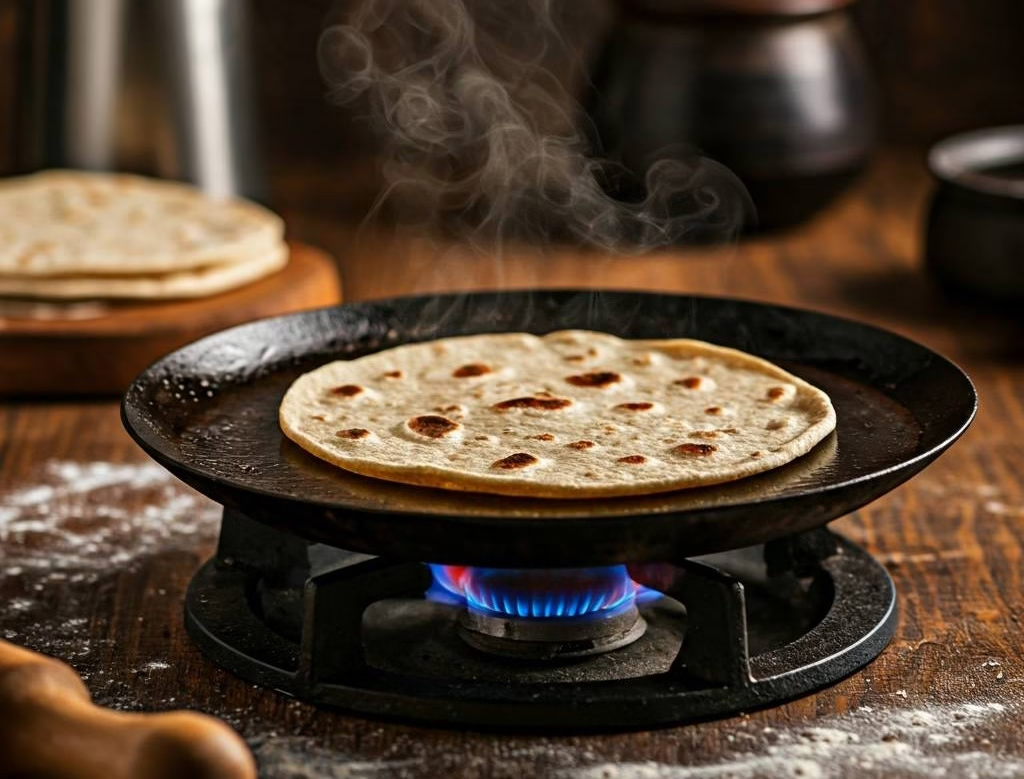
The real transformation begins when the rolled chapati meets the hot tawa. Heat sets off a chain of reactions.
First, the bottom surface begins to warm gradually. Starch granules swell and gelatinize, turning from opaque to a more translucent state. Moisture inside the chapati heats up and starts expanding. When flipped, the second side cooks faster, and air pockets begin forming between the two surfaces.
The crucial moment arrives when the chapati is exposed to direct flame. Trapped steam expands rapidly, inflating the chapati into a perfect sphere. This “puff” is not just a sign of beauty — it indicates that the dough was kneaded well, rested sufficiently, rolled evenly, and cooked at the right temperature.
Chapatis cooked entirely on the tawa can still puff, but direct flame gives the most dramatic expansion because steam forms and escapes quickly.
The Aromatic Browning That Follows
As the chapati puffs, a remarkable reaction takes place on its surface — the Maillard reaction, a natural chemical dance between amino acids and reducing sugars. This is the same process that browns bread crusts, sears meats, and gives coffee its roasted aroma.
The tiny brown spots on chapati are the result of this reaction, and they are responsible for the mouth-watering smell that fills the kitchen. The mild caramelization of starch enhances flavor even more, adding subtle depth and warmth.
A perfectly cooked chapati carries softness inside, a gentle smokiness on the outside, and a fragrance that feels unmistakably like home.
Why Chapatis Sometimes Turn Hard
A hard or rubbery chapati is often the result of a scientific misstep. Too little water creates a stiff dough that cannot expand. Kneading for too short a time prevents gluten from forming properly. Rolling too thin or cooking on low heat dries the chapati before it has a chance to puff. Excess bran in certain flours interferes with gluten formation, reducing elasticity.
Each issue traces back to the delicate balance of hydration, gluten development, and heat — the three pillars of perfect chapati-making.
The Nutritional Story Behind Chapati
Despite its simplicity, chapati is nutritionally powerful. Whole wheat atta contains fiber, B-vitamins, minerals, and slow-digesting carbohydrates. A single chapati generally offers about 70–110 calories along with 3–4 grams of protein and 2–3 grams of dietary fiber. Because it is low in fat and high in complex carbs, chapati remains one of the healthiest staple breads in the world.
A Food of Science, Culture, and Comfort
Chapati is more than food; it is memory, warmth, and the essence of home. It carries the identity of Indian households, connecting generations through the familiar sight of dough rising and falling on a hot tawa. But it is also a marvel of science — a perfect union of grain biology, chemistry, and the subtle intelligence of human hands.
The next time a chapati blooms beautifully on the flame, remember that behind its simple appearance lies a remarkable story of natural reactions, ancient grain, and culinary wisdom perfected over centuries.
Perfect Chapati: Step-by-Step Recipe for Soft, Fluffy Flatbreads
Learn how to make soft, golden chapatis at home with this simple, foolproof recipe. From selecting the right flour to kneading and cooking on a hot tawa, every step is explained to help you achieve the perfect texture and taste every time.
| Section | Details |
|---|---|
| Ingredients | Whole wheat atta – 2 cups Water – ¾ cup to 1 cup (adjust as needed) Salt – optional, ¼ teaspoon Dry flour for dusting |
| Method | 1. Place the atta in a wide bowl. Add salt if using. 2. Add water gradually while mixing with your fingers. 3. Once the dough comes together, knead for 8–10 minutes until smooth and soft. 4. Cover and rest the dough for 20–30 minutes. 5. Divide the dough into equal balls. 6. Roll each ball into a smooth 6–7 inch disc, dusting lightly with flour. 7. Heat a tawa over medium-high flame. Place the rolled disc on the hot surface. 8. When small bubbles appear, flip the chapati. 9. When the second side shows brown spots, lift the chapati with tongs and place it on direct flame. 10. Let it puff completely, flip for 1–2 seconds, and remove. 11. Store wrapped in a cloth to retain softness. |
Detailed Nutritional Breakdown of Whole-Wheat Chapati
| Nutrient | Per chapati (≈35 g atta) | Per 100 g atta |
|---|---|---|
| Energy (kcal) | 119 | 340 |
| Protein (g) | 4.55 | 13.00 |
| Carbohydrates (g) | 25.20 | 72.00 |
| Dietary fiber (g) | 3.50 | 10.00 |
| Total fat (g) | 0.88 | 2.50 |
| Saturated fat (g) | 0.14 | 0.40 |
| Monounsaturated fat (g) | 0.10 | 0.30 |
| Polyunsaturated fat (g) | 0.42 | 1.20 |
| Cholesterol (mg) | 0 | 0 |
| Sodium (mg) | 0.7 | 2 |
| Potassium (mg) | 141.75 | 405 |
| Calcium (mg) | 11.90 | 34 |
| Iron (mg) | 1.36 | 3.90 |
| Magnesium (mg) | 48.30 | 138 |
| Phosphorus (mg) | 121.10 | 346 |
| Thiamine (mg) | 0.16 | 0.47 |
| Riboflavin (mg) | 0.04 | 0.11 |
| Niacin (mg) | 2.24 | 6.40 |
| Folate (µg) | 15.40 | 44 |
| Vitamin B6 (mg) | 0.11 | 0.30 |
Note: Values are approximate and based on whole-wheat atta (unfortified). “Per chapati” assumes ~35 g dry flour. Oil, ghee, butter, or fortified flour will alter nutrition.
Inside a Chapati: Exploring the Wheat Grain Structure
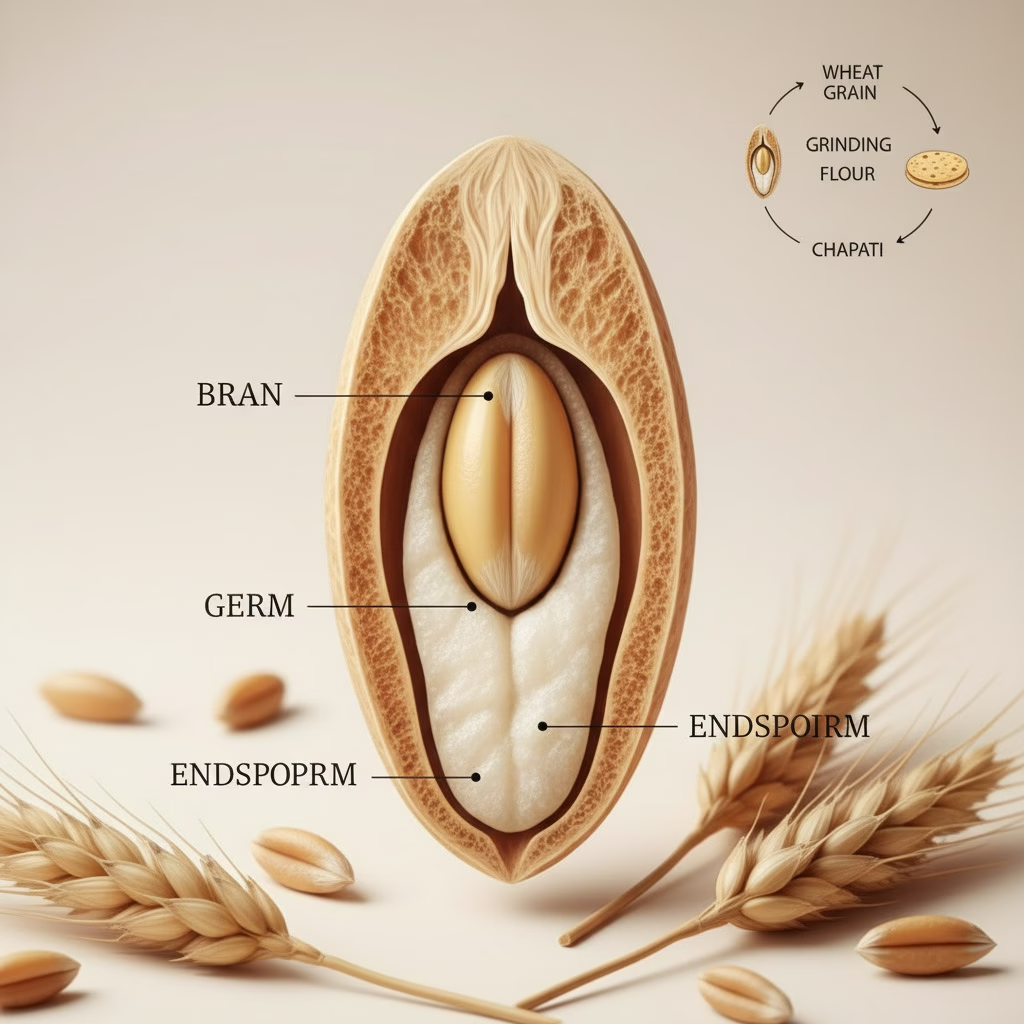
A chapati might look simple on the outside, but the story of what’s inside is fascinating. The nutritional quality, texture, and even the flavor of your chapati start with the humble wheat grain. Each wheat kernel consists of three primary parts: the bran, the germ, and the endosperm — and each plays a unique role in the chapati you enjoy.
1. Bran – The Fiber-Rich Outer Layer
The bran is the tough, outer covering of the wheat grain. Rich in dietary fiber, it gives whole-wheat chapati its characteristic brownish color and provides essential nutrients that aid digestion. Fiber helps regulate blood sugar levels and keeps you feeling fuller for longer, making chapati a heart-healthy staple.
2. Germ – The Nutrient Powerhouse
The germ is the innermost part of the grain, packed with vitamins, minerals, and healthy fats. Though it forms a small portion of the kernel, it contributes significantly to the overall nutritional profile of whole-wheat flour. The presence of germ ensures that chapati is more than just carbohydrates; it delivers essential micronutrients like magnesium, folate, and vitamin B6.
3. Endosperm – The Starchy Core
The largest portion of the grain, the endosperm, is primarily made of starch and protein, including gluten. This is the part that determines the dough’s elasticity and the chapati’s softness and chewiness. When water is added and the dough is kneaded, the gluten network develops, giving chapati its characteristic stretch and puff when cooked.
How Grinding Affects Nutrients
Whole-wheat flour, or atta, is obtained by grinding these three components together. The milling process affects the flour’s texture and nutrient retention. Stone-ground atta preserves more of the bran and germ, while industrially refined flours often remove part of the bran and germ, reducing fiber and micronutrient content. This is why choosing whole-wheat flour is better for both nutrition and texture.
Visualizing Chapati from Grain to Plate
To better understand, imagine a simple flow:
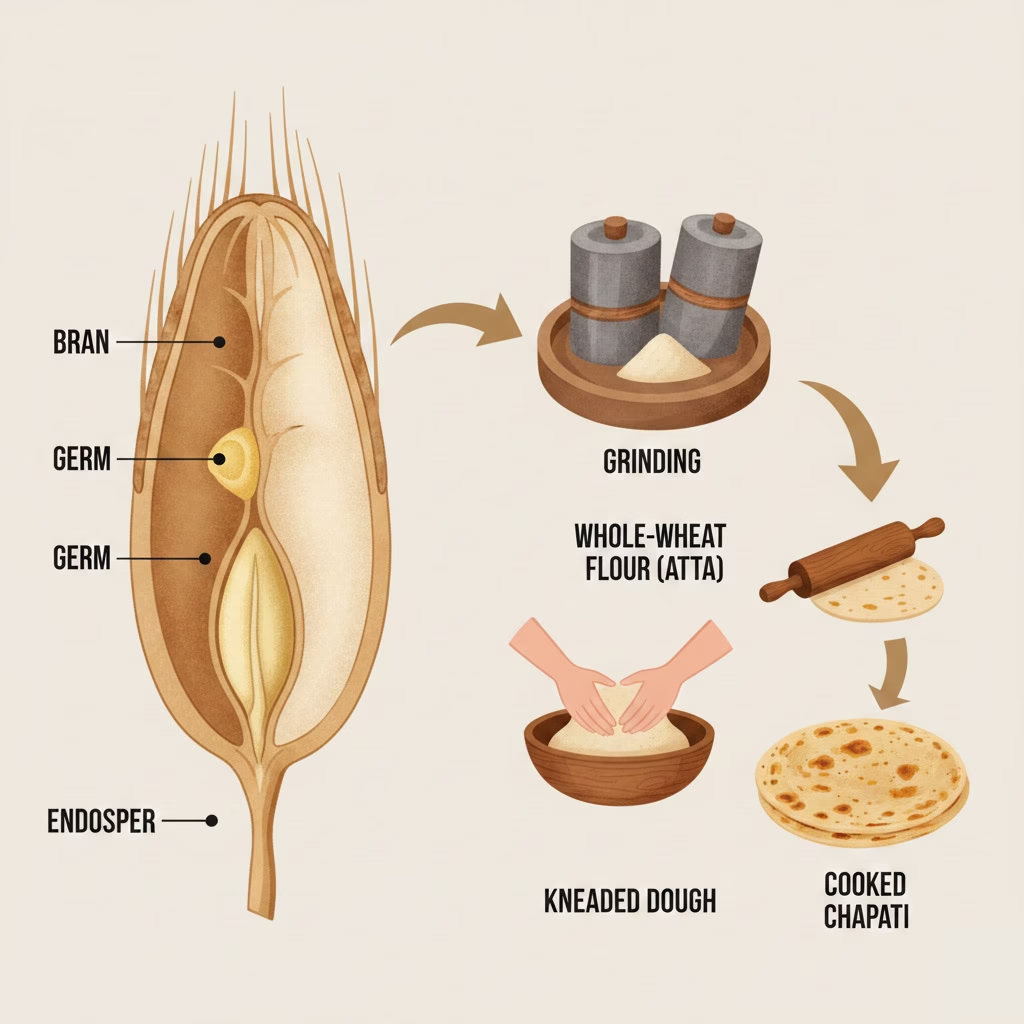
Each stage maintains the unique contribution of the grain’s components. Bran adds fiber, germ adds micronutrients, and endosperm provides starch and gluten for texture. When cooked, the chapati retains these elements, giving a balanced meal with carbohydrates, protein, fiber, and essential minerals.
Nutritional Insights
Fiber from bran improves digestion and gut health.
Protein and gluten from the endosperm help the dough stretch and puff.
Vitamins and minerals from the germ support overall well-being.
By understanding what’s inside a chapati, you not only appreciate its texture and taste but also its role as a nutritious staple in Indian cuisine. Every bite is a blend of science, tradition, and wholesome nutrition.
What to Serve with Your Chapati: Curries You’ll Love
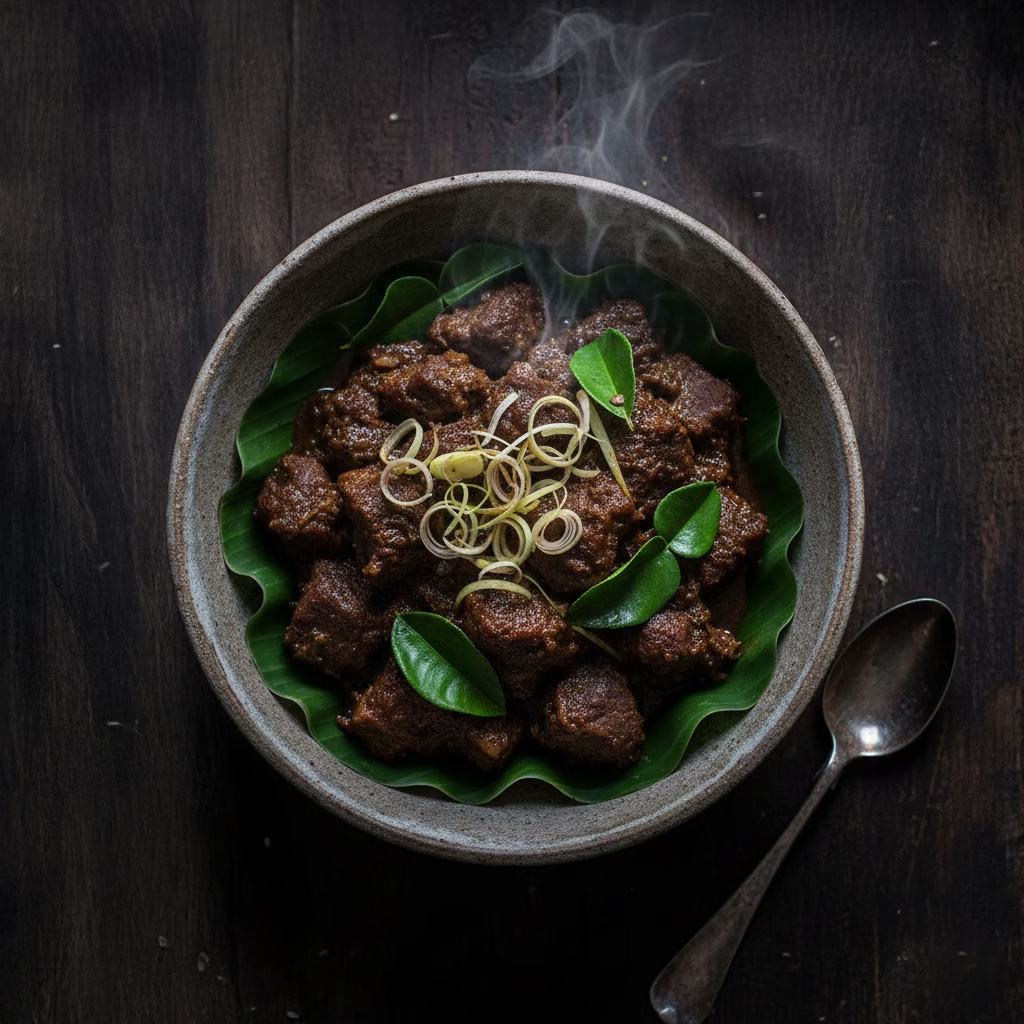
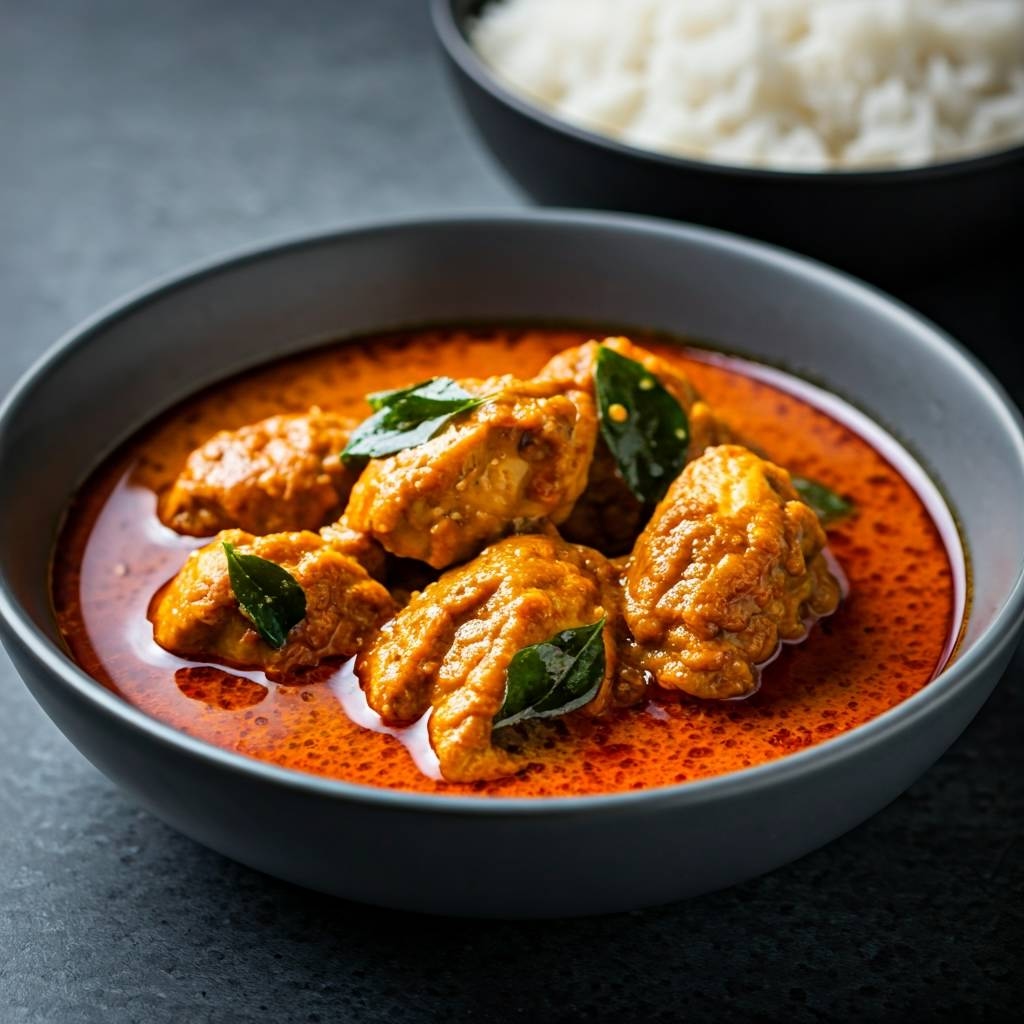
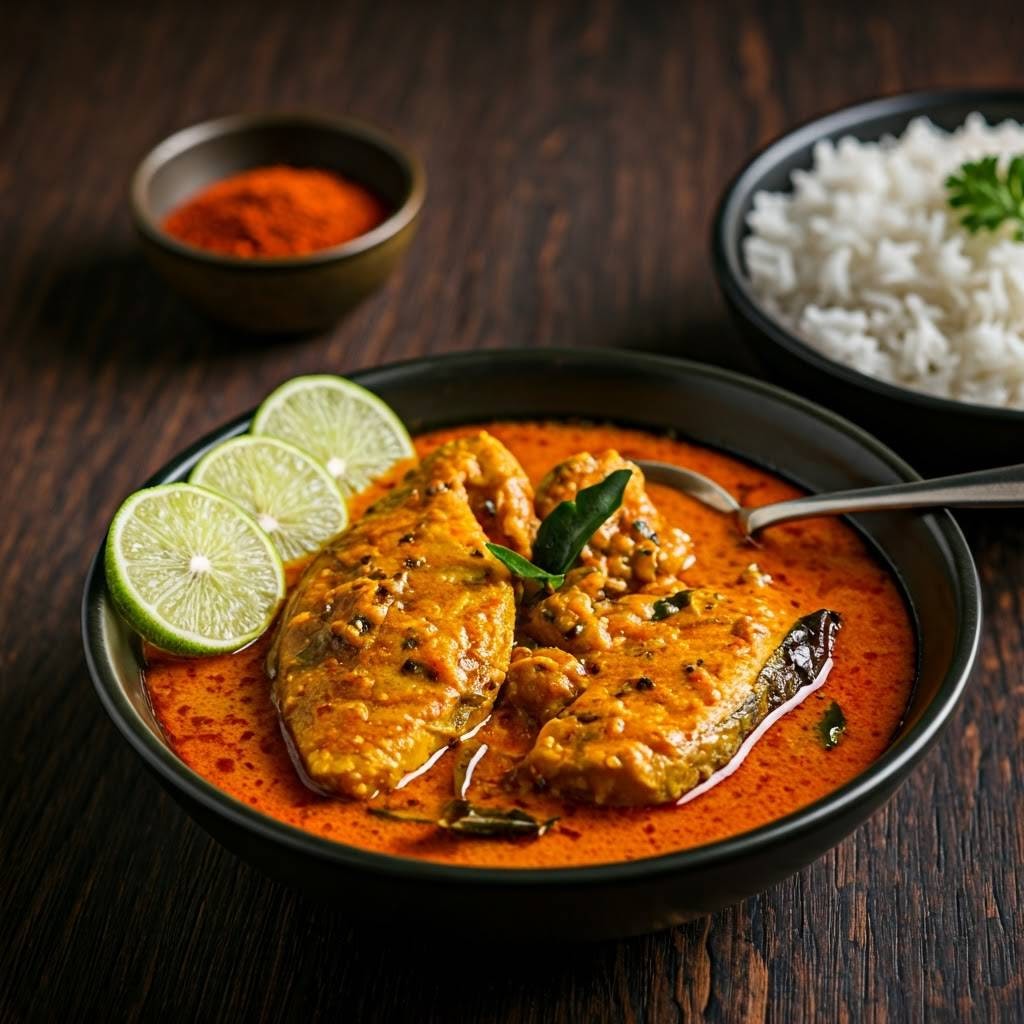
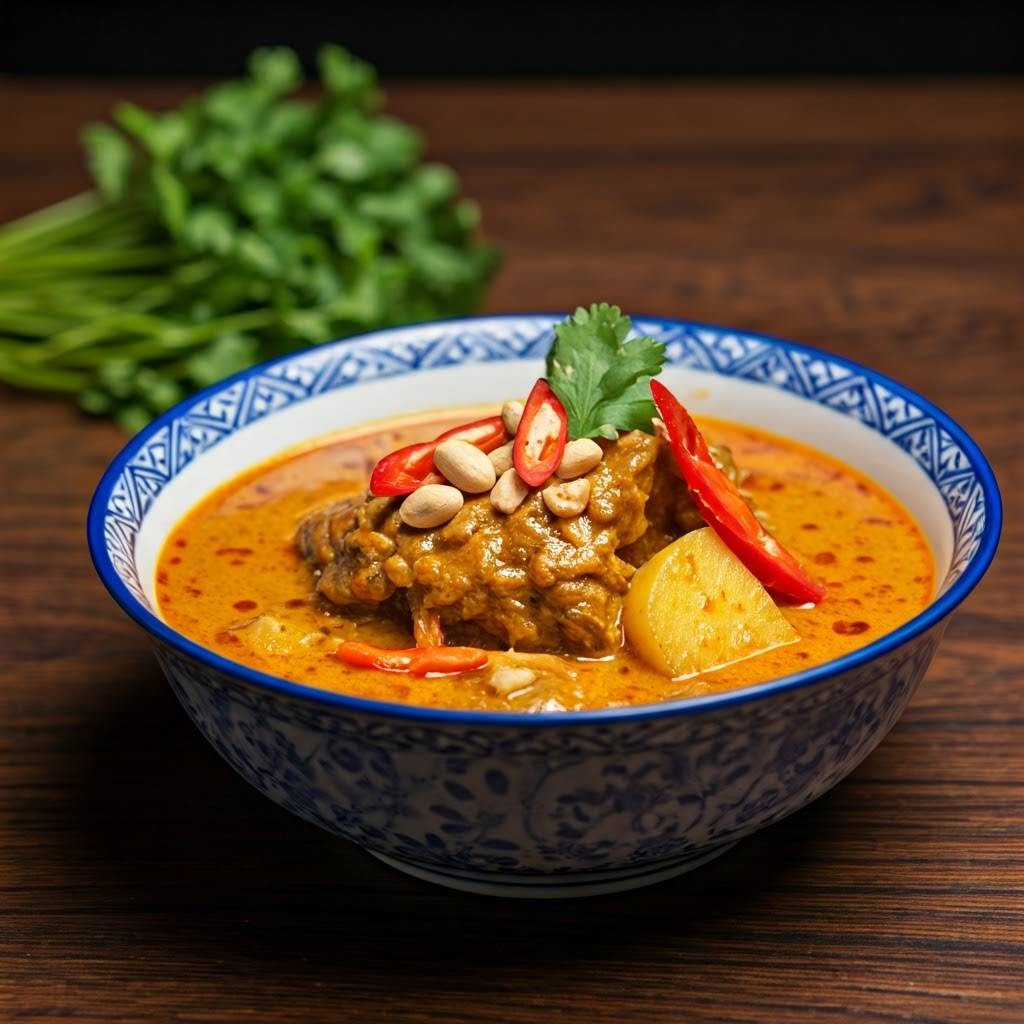
Chapati is a versatile staple, but the meal isn’t complete without the perfect accompaniments. Pairing it with flavorful Indian curries not only enhances the taste but also adds variety and nutrients to your plate. Here are some delicious curry recipes that go perfectly with whole-wheat chapati.
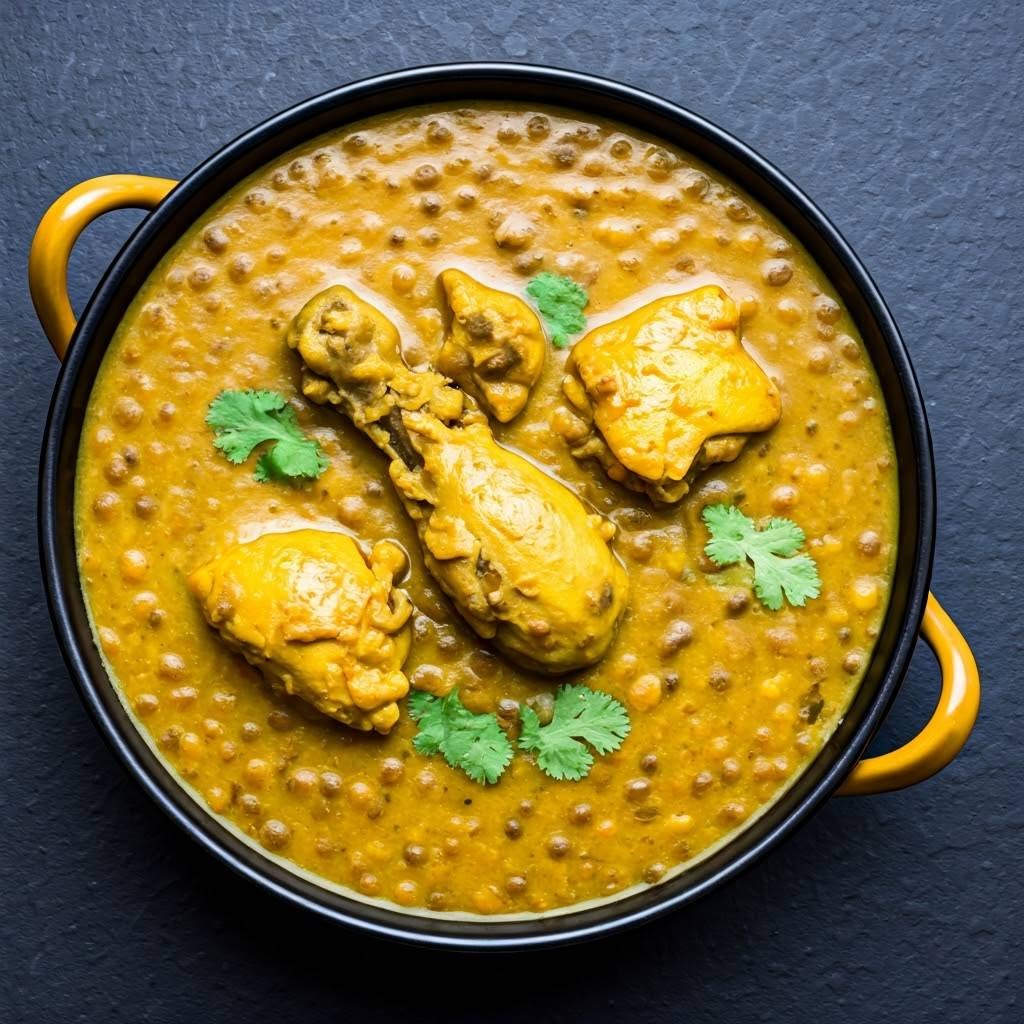
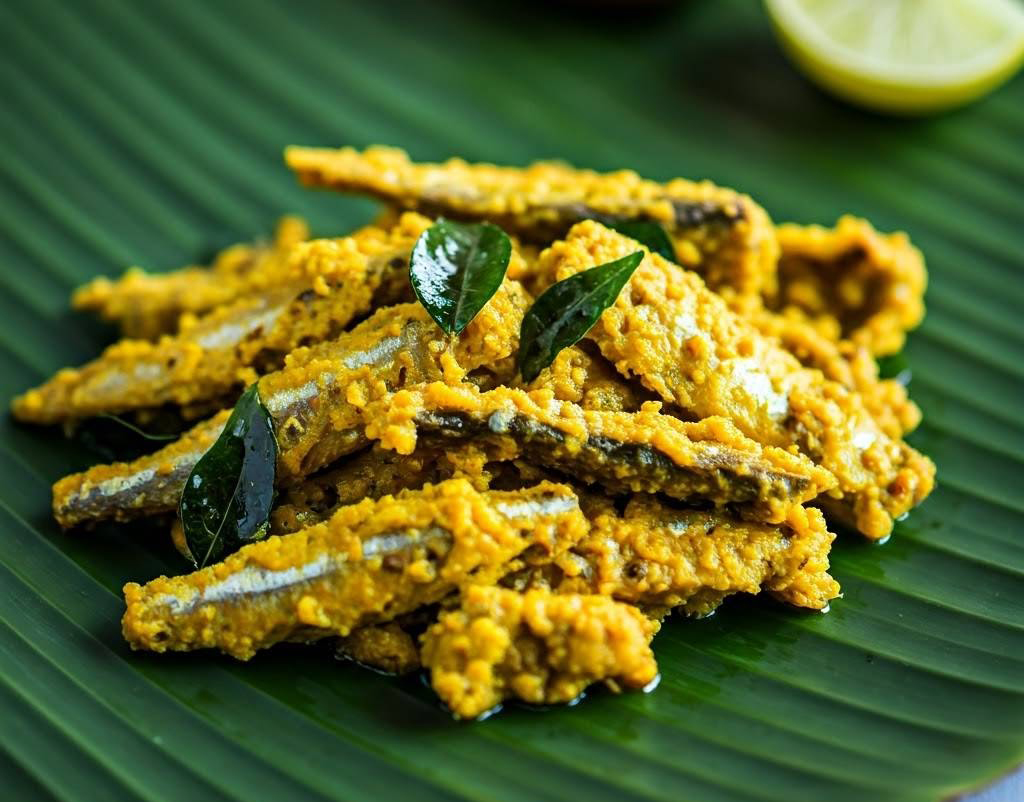
Serving Tips & Quick Meal Ideas
Chapati is incredibly versatile, and pairing it thoughtfully can elevate any meal. For a balanced plate, serve it alongside a mix of protein-rich dals, lightly spiced vegetables, or paneer curries. Adding fresh herbs or a dollop of yogurt can enhance flavor while keeping the meal wholesome.
For quick lunches or weeknight dinners, roll chapati with leftover curry, sautéed veggies, or even spiced lentils for a satisfying wrap. Leftover chapatis can be lightly reheated on a hot skillet, brushed with a little ghee or olive oil, to bring back softness and aroma.
These simple tips not only make mealtime easier but also help you enjoy chapati in multiple ways, keeping it exciting while maintaining its nutritional benefits.
You Know… India Just Hit a Record Wheat & Grain Harvest?
India has achieved a remarkable milestone in agricultural production. According to the final 2024–25 crop estimates released by Union Minister Shivraj Singh Chouhan, the country’s total food grain output has reached an all-time high of 357.73 million tons — an impressive 8% increase from the previous year.
Wheat and rice, two of India’s most essential staples, have both touched their highest production levels ever, reflecting improved farming practices, supportive government policies, and the unwavering resilience of Indian farmers. Oilseed production has also crossed 43 million tons, adding further strength to the nation’s agricultural growth story.
This milestone not only celebrates the hard work of farmers across the country but also marks a significant step forward in ensuring long-term food security, stability, and progress in India’s agriculture sector.

Disclaimer: The information provided in this article, including nutritional values, health benefits, and cooking methods, is for educational and informational purposes only. While we strive for accuracy, results may vary depending on flour type, cooking techniques, portion size, and additional ingredients. This content is not intended as medical or dietary advice. Please consult a registered dietitian, nutritionist, or healthcare professional for personalized guidance related to your health, diet, or any medical condition.
The embedded video is sourced from DD India, the international news channel of Prasar Bharati. PungusKitchen.com does not own, modify, or claim any rights over the video content. All opinions, data, and visuals presented in the video are those of DD India. For full context and original publication, please visit the official DD India YouTube channel. All rights, content ownership, and broadcasting credits belong to DD India and their respective creators.

You Might Also Like
From Humble Beginnings to Global Fame: The Story of KFC & Colonel Sanders.
Discover how Colonel Sanders turned a small roadside diner and his secret...
World Food Day 2025: Celebrating Food, Community & Sustainability.
This World Food Day 2025, celebrate food that nourishes, connects, and inspires....
Chicken 65: South India’s Culinary Pride Shines Globally
Chicken 65, a popular South Indian dish, has received global recognition once...
Quick & Easy Chicken Curry – Perfect for Beginners and Busy Lives!
This quick and easy chicken curry is perfect for beginners, bachelors, and...
How We Feel Anxiety – And Natural Ways to Manage It
Anxiety affects the body and mind in many ways, but simple changes...
Exploring Goan Food Culture and Traditional Recipes – A Flavorful Coastal Journey.
Discover the vibrant world of Goan cuisine—where Portuguese influences meet coastal Indian...