
How Long Can You Keep Cooked and Uncooked Meat and Fish in the Fridge?
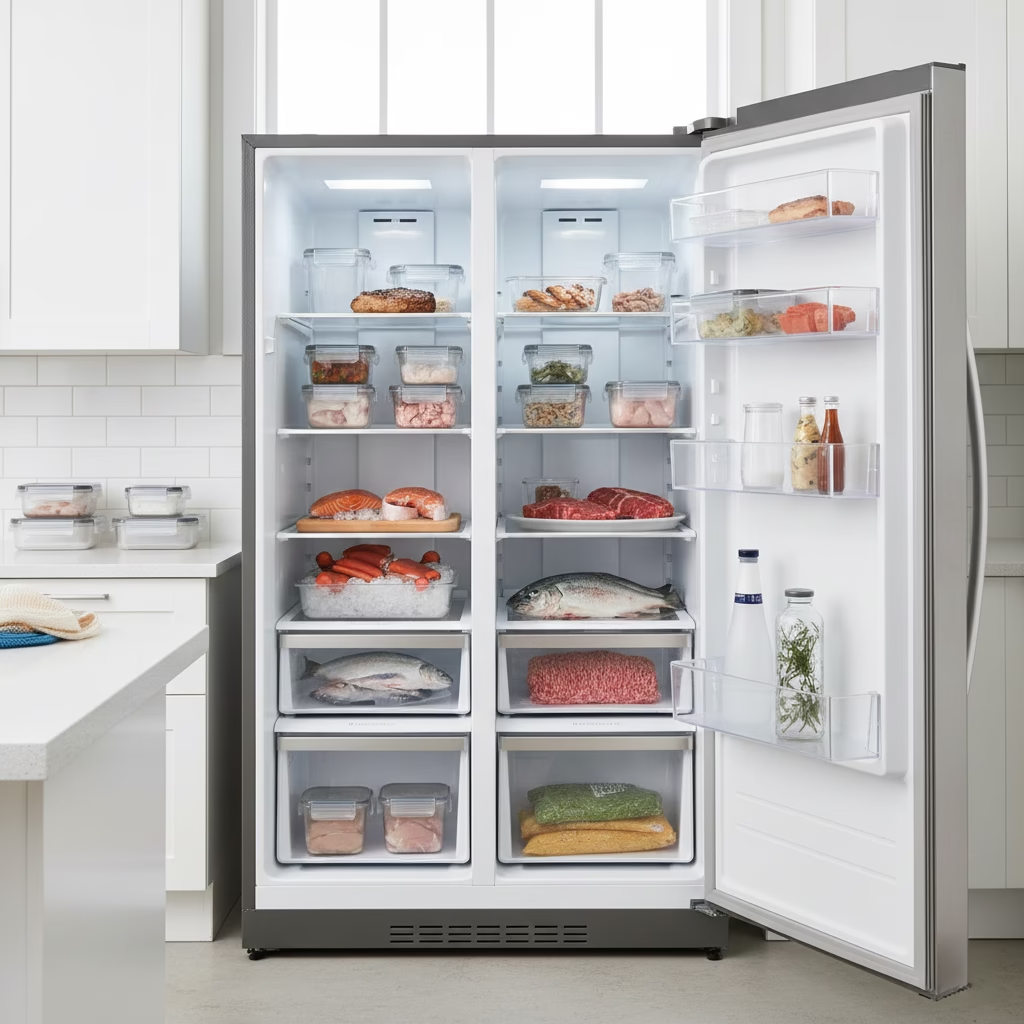
Meat and fish are staples in many diets, offering high-quality protein, essential vitamins, and minerals. But while they are nutritious, they are also highly perishable. Understanding how long different types of meat and fish can safely stay in the fridge or freezer is crucial for both health and taste. In this guide, we will cover safe storage times, signs of spoilage, freezing tips, and practical advice to ensure your meals remain safe and delicious.
Why Proper Storage of Meat and Fish Matters
Meat and fish are rich in protein, moisture, and nutrients, which makes them a perfect breeding ground for bacteria if not stored correctly. Pathogens like Salmonella, E. coli, Listeria, and Clostridium perfringens can grow rapidly at temperatures above 4°C (40°F). Even if the food looks, smells, or tastes normal, consuming spoiled meat or fish can lead to foodborne illnesses, causing nausea, vomiting, diarrhea, fever, or more severe complications.
Key takeaway: Safe storage is not just about preventing waste—it’s about protecting your health.
Understanding Raw Meat Storage
| Meat Type | Fridge Storage | Freezer Storage |
|---|---|---|
| Poultry (Chicken, Turkey, Duck) | 1–2 days | 9–12 months (whole) / 6–9 months (pieces) |
| Tips: Keep raw poultry in the coldest part of the fridge, ideally in a tray to catch drips. Avoid washing raw poultry under running water; this spreads bacteria. | ||
| Beef, Pork, Lamb (Whole Cuts) | 3–5 days | 4–12 months |
| Tips: Store whole cuts like steaks or roasts in original packaging if planning to cook soon. For freezing, wrap in heavy-duty foil or freezer paper for best quality. | ||
| Ground Meat (Beef, Pork, Lamb, Poultry) | 1–2 days | 3–4 months |
| Tips: Ground meat spoils faster because grinding exposes more surface area to bacteria. Freeze in portions matching your meal sizes to avoid defrosting excess. | ||
Cooked Meat Storage
Cooking kills most bacteria, but cooked meat can still spoil if stored improperly.
| Food Type | Fridge Storage | Freezer Storage |
|---|---|---|
| Cooked poultry & meat | 3–4 days | 2–6 months |
| Tips: Cool cooked meat quickly before refrigerating; divide large portions into smaller containers. Store in airtight containers to prevent moisture loss and contamination. | ||
| Raw fish | 1–2 days | 3–6 months |
| Cooked fish | 3–4 days | 2–3 months |
| Tips: Store fish in airtight containers or wrap tightly in plastic wrap. Keep on ice in the fridge if you plan to consume within a day. Consume seafood as fresh as possible for optimal taste and texture. | ||
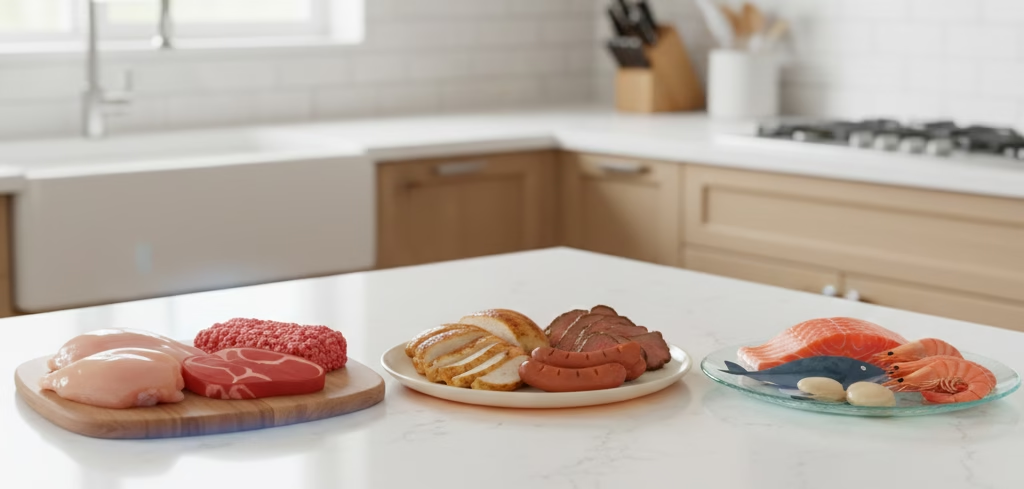
Signs That Meat or Fish Has Spoiled
Even when following storage guidelines, always check your food before cooking or consuming. Signs of spoilage include:
Unpleasant odor: Sour, rancid, or ammonia-like smells.
Slimy texture: Surface feels sticky or slimy to touch.
Discoloration: Gray, green, or dull colors on raw meat.
Mold: Any fuzzy growth is a clear sign to discard.
Rule of thumb: When in doubt, throw it out. Never take chances with questionable meat or fish.
Safe Refrigeration Practices
Keep your fridge ≤ 4°C (40°F) and freezer ≤ -18°C (0°F).
Store raw meat on the bottom shelf to avoid drips contaminating other foods.
Use airtight containers or resealable bags to prevent exposure to air.
Label and date everything for easy tracking.
Avoid overloading the fridge, as it reduces air circulation and proper cooling.
Freezing Tips for Longer Storage
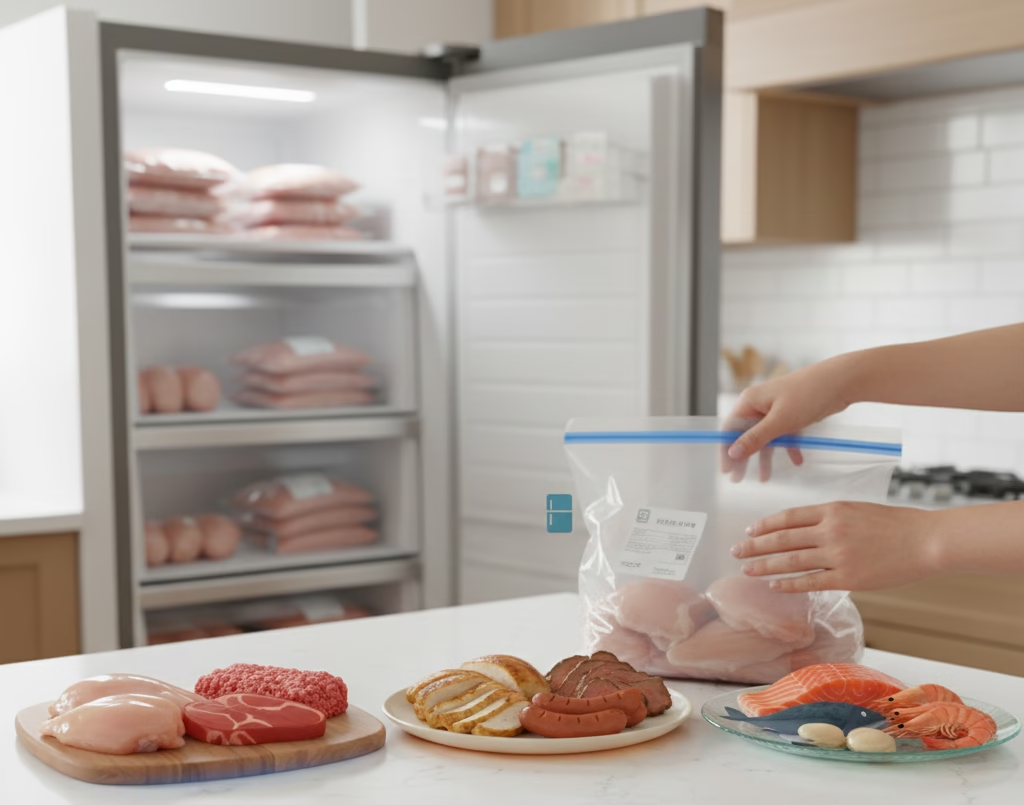
Freezing slows down bacterial growth but doesn’t kill bacteria. Follow these steps for safe long-term storage:
Wrap meat/fish tightly in plastic wrap, aluminum foil, or freezer-safe bags.
Remove excess air to prevent freezer burn.
Freeze in portions for easy defrosting.
Thaw meat in the fridge, not at room temperature.
Quick Reference: Fridge & Freezer Storage Chart
| Food Type | Fridge | Freezer |
|---|---|---|
| Raw poultry | 1–2 days | 9–12 months (whole) |
| Raw beef, pork, lamb (whole cuts) | 3–5 days | 4–12 months |
| Ground meat (beef/pork/lamb/poultry) | 1–2 days | 3–4 months |
| Cooked meat & poultry | 3–4 days | 2–6 months |
| Raw fish | 1–2 days | 3–6 months |
| Cooked fish | 3–4 days | 2–3 months |
Why Following These Guidelines Matters
Beyond taste and quality, proper storage prevents foodborne illnesses, reduces waste, and ensures that every meal you serve is safe. Following these simple guidelines makes meal prepping easier, safer, and more enjoyable.
Remember: Food safety is not just a guideline—it’s a responsibility. Proper storage, mindful handling, and careful checking of meat and fish can save you from potential health risks while keeping your meals fresh and delicious.

You Might Also Like
Moringa Ela & Moringa (Drumstick): A Nutrient-Packed Superfood in Kerala Cuisine.🌿
Dive into the wholesome flavors of Kerala with this traditional recipe made...
We Can’t Help Everyone, But Everyone Can Help Someone. 🌱
We can’t help everyone, but every small act of kindness matters. Whether...
Preparing and Serving Kerala Sadya
Kerala, a southern state in India, is known for its rich cultural...
Dal Bhat Uncovered – The Meal That Feeds Millions Daily
Dal Bhat is more than just a meal; it’s a cultural staple...
Milk Feeding Safety Steps for Babies: Importance, Nutrients, and Practical Tips Every Parent Should Know
Culinary Adventures: Exploring Taste & Tradition
Food has a unique ability to transcend boundaries, evoke memories, and bring...