
The History of Plum Cake: From Medieval Origins to Festive Celebration.
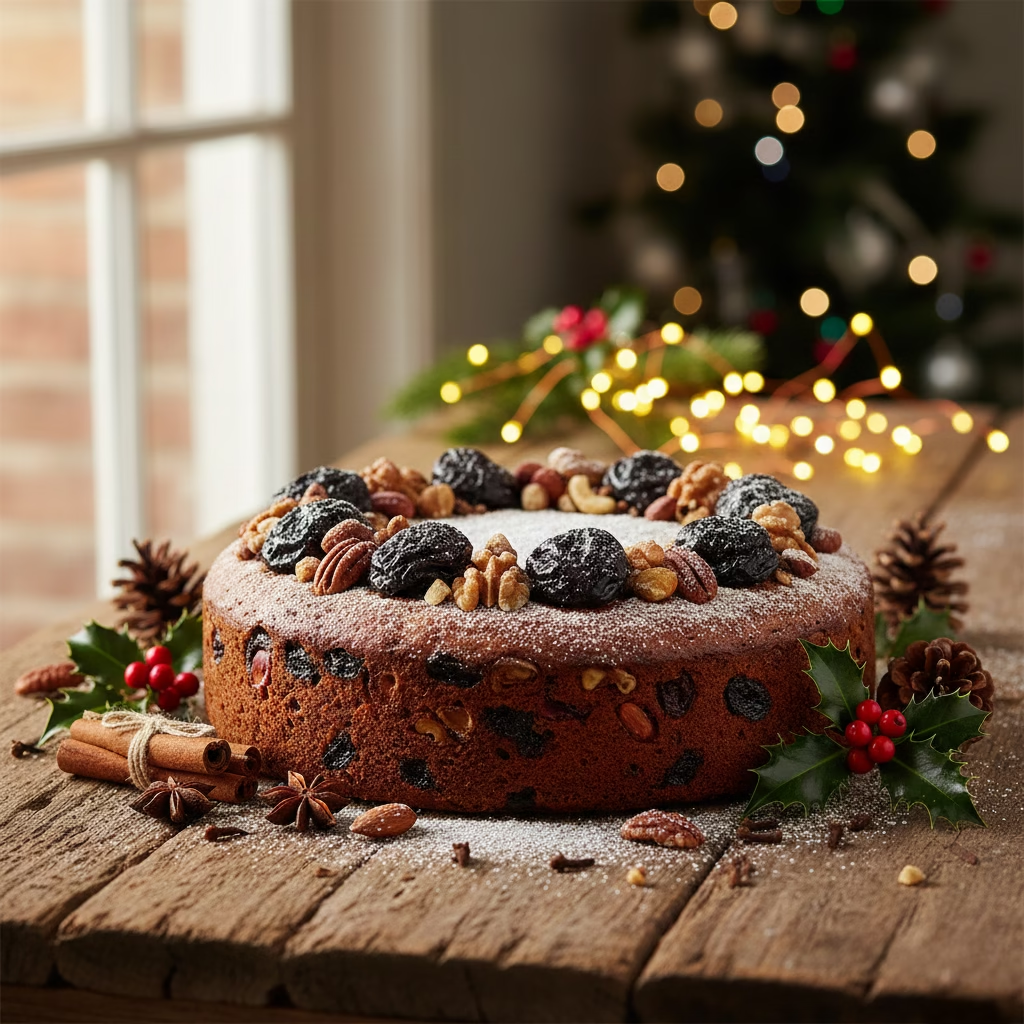
Plum cake is one of the most iconic desserts associated with the holiday season, carrying centuries of history, tradition, and culinary innovation. Its story is as rich and layered as the cake itself, stretching from medieval Europe to modern festive tables across the globe.
Medieval Beginnings: A Cake of Preservation and Celebration
The origins of plum cake trace back to medieval Europe, where preserving fruits for winter months was both a necessity and an art. Early versions of the cake were dense, spiced, and made with dried fruits, which were called “plums” at the time—though they often consisted of raisins, currants, or prunes. Sugar was a luxury, making this cake a symbol of wealth and festivity.
Spices such as cinnamon, nutmeg, cloves, and cardamom were added not only for flavor but also as a mark of prestige, as these spices were imported at great cost. Medieval plum cakes were prepared for special occasions, particularly around Christmas, as a celebration of abundance and warmth during the cold winter months.
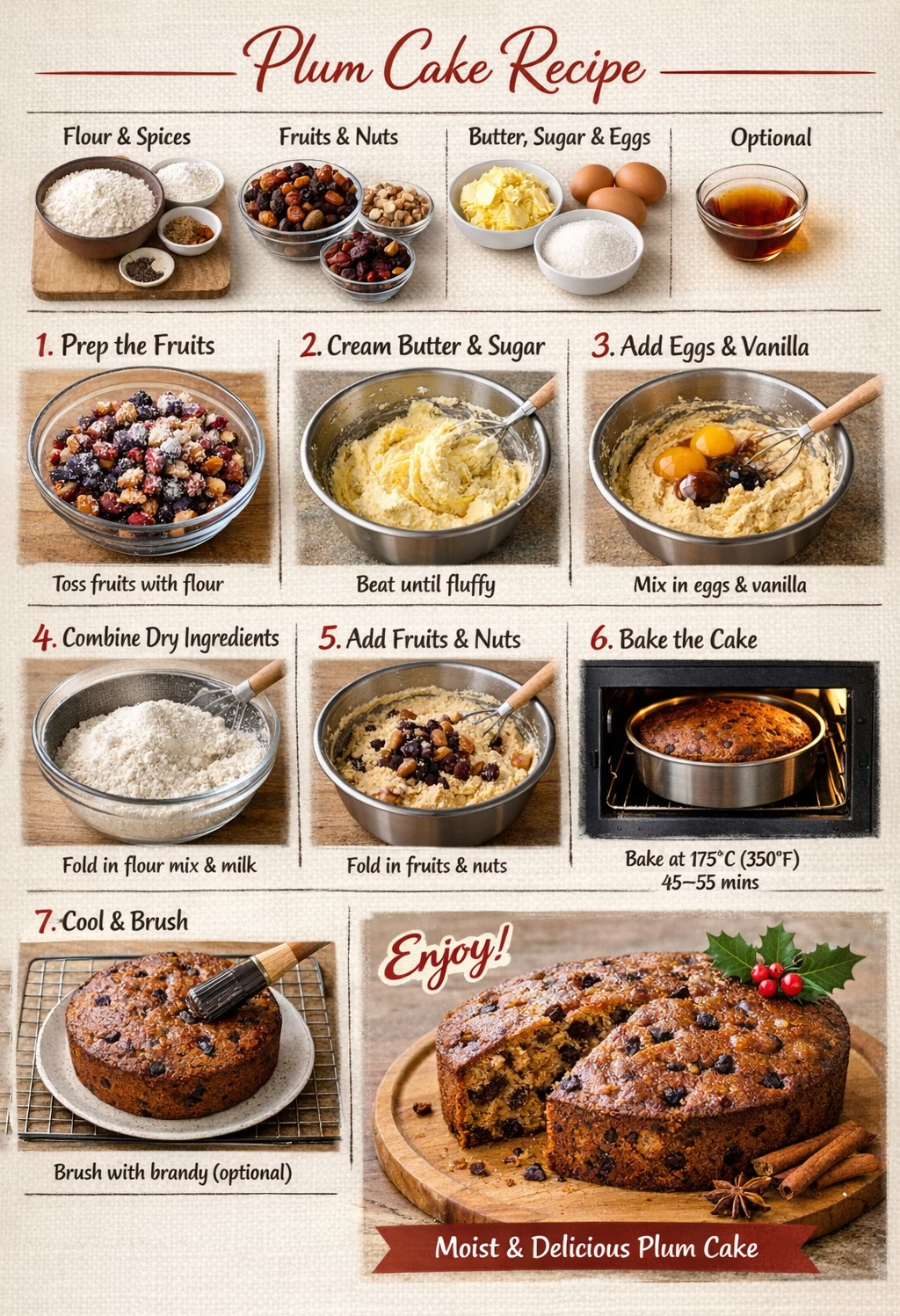
Follow our detailed Plum Cake Recipe for a step-by-step guide to baking this festive dessert, with juicy plums, assorted nuts, and aromatic spices.
Plum Cake in Victorian England
By the Victorian era, plum cake had become a centerpiece of Christmas celebrations. The Victorians perfected the art of baking dense, flavorful cakes, often aging them for weeks to allow flavors to develop fully. Victorian plum cakes were renowned for their richness, combining butter, sugar, eggs, and dried fruits, sometimes soaked in brandy or rum to enhance aroma and maintain moisture.
Baking these cakes was a labor of love. Families often passed down recipes for generations, with slight variations adding unique touches. The meticulous layering of spices, fruits, and nuts became a hallmark of festive tradition, solidifying plum cake’s reputation as a holiday must-have.
Cultural Expansion: From England to the World
With British colonization and global trade, plum cake traveled far beyond England. In India, colonists introduced the cake, and local bakers incorporated regional ingredients such as cashews, almonds, and tropical dried fruits. Caribbean bakers merged European and African culinary traditions, creating vibrant variations of plum cake flavored with local spices and fruits.
In each culture, the cake maintained its role as a festive symbol—a dessert associated with celebration, warmth, and sharing. Today, plum cake has become a global favorite, embraced for its versatility and comforting flavors.
Ingredients and Their Symbolism
The ingredients in plum cake hold symbolic meanings:
Dried fruits: Represent preservation, longevity, and the richness of the harvest.
Nuts: Symbolize wealth, prosperity, and abundance.
Spices: Represent warmth, celebration, and festivity.
Rum or brandy: Enhances aroma and flavor while preserving the cake, though it is optional and can be substituted for non-alcoholic versions.
Together, these ingredients make plum cake not only a culinary delight but also a cultural artifact representing centuries of tradition.
Evolution of Modern Plum Cake
Modern plum cakes have evolved in texture, ingredients, and presentation. Some recipes focus on a moist, tender cake, while others maintain the dense, rich texture reminiscent of Victorian cakes. Bakers experiment with chocolate, marzipan, and even vegan substitutes, but the essence remains—a spiced, fruit-laden cake designed for celebration.
For readers interested in baking a festive version today, you can check out our Plum Cake recipe, which combines juicy plums, assorted nuts, and raisins with aromatic spices for a modern holiday treat.
Traditional and Modern Baking Techniques
Historical baking required precise control of temperature and timing, often using hearth ovens or brick ovens. Fruits were soaked in brandy or rum to prevent drying and enhance flavor. Today, modern ovens simplify the process, but understanding these historical techniques adds appreciation for the craft and tradition of plum cake.
Serving, Presentation, and Festive Traditions
Traditionally, plum cake was served as a festive dessert centerpiece. Cakes were often decorated with holly leaves, powdered sugar, or marzipan to symbolize snow and celebration. Today, the aesthetic appeal remains important, enhancing the festive experience.
Plum cake is served with tea, coffee, or as part of holiday feasts. Its aroma, spiced richness, and fruit-laden slices evoke nostalgia, warmth, and communal celebration.
Plum Cake Around the World
England: The original birthplace, where the cake was associated with Christmas.
India: Adapted with local nuts, cashews, and tropical fruits.
Caribbean: Spiced with local flavors and tropical dried fruits.
Other regions: Each country brings its own unique variations while maintaining the festive essence.
Cultural Significance and Symbolism
Plum cake is more than a dessert. It embodies the essence of celebration, family, and tradition. Its ingredients tell stories of trade, history, and cultural exchange. From the medieval spice routes to modern kitchens, plum cake has symbolized warmth, prosperity, and shared joy.
Health and Nutritional Aspects
Though rich, plum cake provides essential nutrients from nuts and dried fruits. Here’s an approximate nutritional information for one slice of an 8–10 serving Plum Cake (standard recipe with butter, sugar, eggs, plums, nuts, and raisins):
| Nutrient | Per Slice (1/10th of cake) |
|---|---|
| Calories | 320–350 kcal |
| Carbohydrates | 40–45 g |
| Sugars | 20–25 g |
| Protein | 4–5 g |
| Fat | 15–18 g |
| Saturated Fat | 8–10 g |
| Fiber | 2–3 g |
| Cholesterol | 60–70 mg |
| Sodium | 120–150 mg |
⚠️ Warning: This recipe includes rum or brandy to soak fruits and enhance flavor. Pungu’s Kitchen does not encourage alcohol consumption. The use of alcohol may not be suitable for children, pregnant or breastfeeding women, or anyone avoiding alcohol. You can omit it or substitute with fruit juice or non-alcoholic alternatives.
📌 Disclaimer: The nutritional information provided is an estimate based on standard ingredients and serving sizes. Individual results may vary depending on the exact ingredients, measurements, and preparation methods used. This recipe is for informational and culinary purposes only and is not a substitute for professional dietary advice. Please consult a qualified nutritionist or healthcare professional if you have specific dietary concerns or health conditions.

You Might Also Like
The Festival of Lights: Diwali
Diwali, also known as the Festival of Lights, is one of the...
Are Food Colors or Preservatives Actually Good for Your Health?
At Pungu’s Kitchen, we believe the best food comes from fresh, natural...
India’s Favorite Foods of 2024: How Biryani Continues to Rule the Nation’s Palate
Biryani remains India’s most loved dish in 2024, followed by pizza, tea,...
The Science of Perfect Biryani: Secrets of Layering, Rice, and Spices.
Discover the secrets to perfect biryani—fluffy rice, balanced spices, and layered flavors...
Discovering Kerala’s Flavorful Pickles
Kerala, the lush and vibrant state on the southwestern coast of India,...
Dear Hacker, Why Are You Trying to Hack Pungu’s Kitchen? 💔
A heartfelt note to the hackers trying to break into our little...