
Eggs🥚on Your Plate: Veggie-Friendly or Not? 🥘🍳
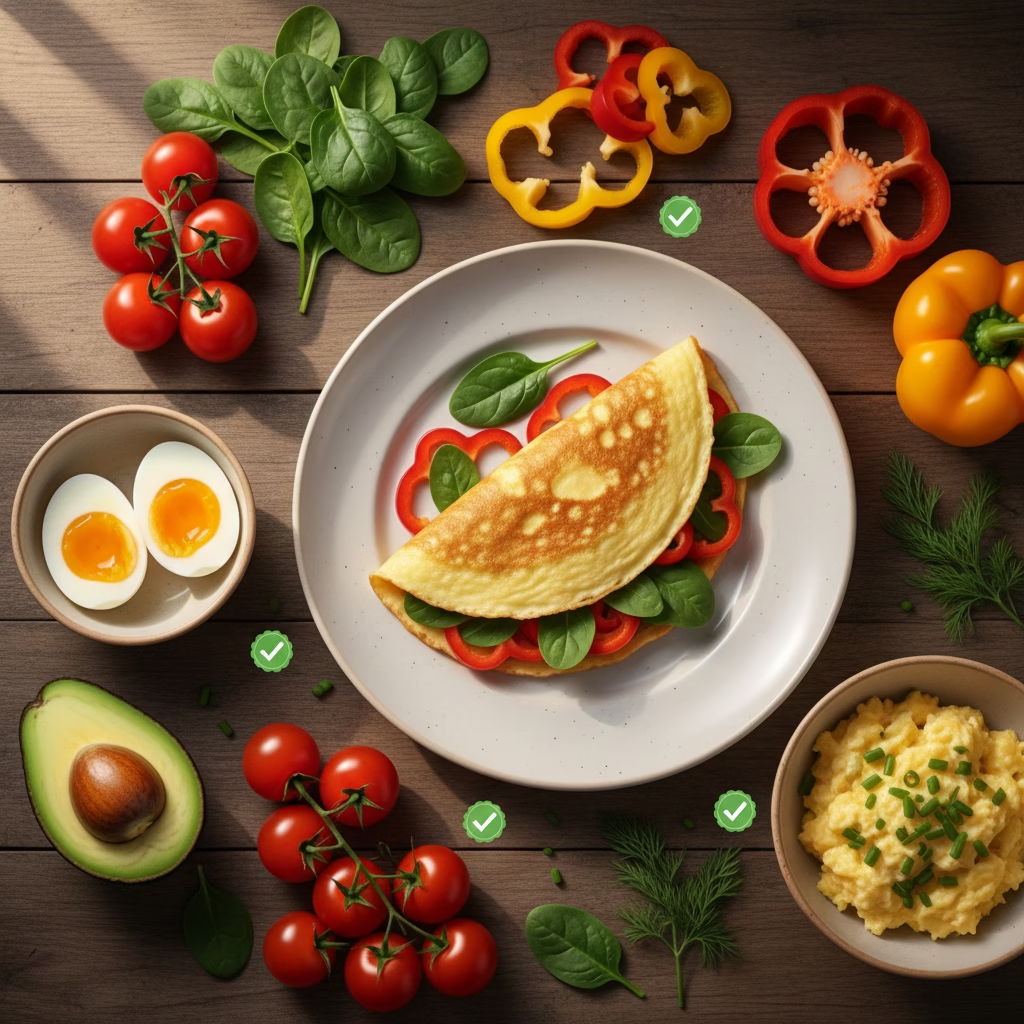
If you’ve ever paused while eating a boiled egg or omelette and thought, “Wait… is this vegetarian?”, you’re not alone. Eggs have sparked debates for decades — and the answer isn’t as simple as it seems. Depending on your culture, dietary style, or beliefs, eggs might be vegetarian… or not.
In this guide, we’re breaking it all down: biology, nutrition, culture, religion, and even diet trends. By the end, you’ll know exactly where eggs fit on your plate.
What Does “Vegetarian” Really Mean?
Before we talk eggs, let’s clear the basics.
Vegetarianism generally means avoiding meat, fish, and poultry. But it doesn’t always exclude animal by-products like dairy or eggs. How vegetarianism is defined varies by culture and personal choice.
Common Types of Vegetarian Diets:
| Type | What You Can Eat | What You Avoid |
|---|---|---|
| Lacto‑vegetarian | Dairy | Meat, fish, eggs |
| Ovo‑vegetarian | Eggs | Meat, fish, dairy |
| Lacto‑ovo vegetarian | Eggs + Dairy | Meat, fish |
| Vegan | Plant-based only | Meat, fish, dairy, eggs, honey |
✅ So, under ovo-vegetarian or lacto-ovo vegetarian diets, eggs are absolutely vegetarian. But strict or traditional definitions, especially in India, may say otherwise.
Eggs from a Biological Perspective
Let’s get scientific:
Eggs are animal products. They come from hens, so technically, they’re not plant-based.
Most eggs sold in stores are unfertilized, meaning they will never become a chick. That’s why some experts consider them more like milk or cheese — an animal by-product rather than meat.
Nutritional Power of Eggs
Eggs aren’t just tasty — they’re nutrient-packed. Here’s why many vegetarians include them in their diet:
Complete Protein: Eggs contain all 9 essential amino acids — perfect for vegetarians looking for quality protein.
Vitamin B12: Hard to get from plants, essential for nerves and blood health.
Other Nutrients: Iron, riboflavin (B2), vitamin D, vitamin A, folate, biotin, and even omega-3 (in enriched eggs).
💡 Tip: For vegetarians, eggs help fill the nutritional gap left by avoiding meat and fish.
Cultural and Religious Perspectives
Eggs can be a gray area depending on where you live and your beliefs:
In India and South Asia:
Many vegetarians do not eat eggs, even though they avoid meat.
The reason? Eggs are seen as animal-derived, and traditions emphasize ahimsa (non-violence).
Some also view eggs as potential life (even if unfertilized), so they’re classified like meat.
That’s why Indian restaurants often label egg dishes as non-vegetarian, and eggless cakes are popular in bakeries.
Western Perspective:
Eggs are widely accepted in ovo-vegetarian or lacto-ovo vegetarian diets.
Since eggs aren’t meat and most are unfertilized, they are seen as safe for vegetarians.
Nutritionists often recommend eggs for vegetarians due to their high-quality protein and essential vitamins.
Pros and Cons of Eating Eggs as a Vegetarian
Here’s the quick breakdown:
✅ Pros:
High-quality, complete protein
Rich in vitamins and minerals, especially B12
Ethical for some: no animal is killed
Easy to include in a balanced vegetarian diet
❌ Cons:
May conflict with cultural or religious beliefs
Can create confusion when eating out or reading labels
Reliance on eggs may reduce exploring diverse plant-based proteins
What Experts Say
Nutrition experts agree:
Eggs are often considered vegetarian because they’re not flesh.
For ovo- and lacto-ovo vegetarians, eggs are a healthy, practical choice.
Nutritionally, eggs are an easy way to meet protein, B12, and omega-3 needs without meat.
The Verdict: Are Eggs Vegetarian?
It depends on your lens:
Yes, if your vegetarianism allows animal by-products (lacto-ovo or ovo-vegetarian).
No, if your vegetarianism is based on cultural, religious, or ethical reasons that exclude all animal products.
Not vegan, because eggs are animal-derived.
💡 Pro Tip: When telling someone you’re vegetarian, specify: “I eat eggs” or “I avoid eggs.” It avoids confusion.
Tips for Including or Avoiding Eggs
If you eat eggs:
Boiled, poached, or scrambled eggs are healthy options.
Combine with veggies for a balanced meal.
Great for breakfast, salads, sandwiches, or stir-fries.
If you avoid eggs:
Use plant-based alternatives in baking: mashed banana, flax seeds, chia seeds, yogurt, or commercial egg replacers.
Ensure protein intake from beans, lentils, tofu, paneer, nuts, and seeds.
Final Thoughts
Eggs sit in a gray area of vegetarianism. Biologically animal-derived, yet nutritionally beneficial — they are embraced by many vegetarians worldwide, but avoided by others due to culture or belief.
At the end of the day, it’s your choice. Know your beliefs, understand your nutrition needs, and make a decision that fits your lifestyle.
So next time you reach for that omelette or eggless cake, you’ll know exactly where it stands on your vegetarian journey.

You Might Also Like
Hussain Mansuri: Inspiring Kindness and Humanity Through Social Media.
Hussain Mansuri, a humanitarian and social media influencer from Mumbai, has dedicated...
Celebrating Onam 2025 – A Festival of Unity, Harvest & Flavours 🌸🌾
Celebrate the joy of Onam 2025 with us! From vibrant pookalams to...
Broth: The Unsung Hero of Your Kitchen
Broth, the humble liquid foundation of countless dishes, often gets overlooked. But...
Milk Feeding Safety Steps for Babies: Importance, Nutrients, and Practical Tips Every Parent Should Know
A Bond Beyond Borders: Honouring Breastfeeding and Motherhood Around the World.
August is National Breastfeeding Month, celebrating the special bond between mothers and...
India’s Food Plate is the Greenest in the World – Here’s Why That Matters.
India’s traditional diet has been named the world’s most sustainable by WWF....