



Ingredients
For the kibbeh mixture
- 250 g lean beef or lamb, very fresh, twice minced (ask butcher for “kibbeh meat” – no fat, no sinew)
- ½ cup fine bulgur wheat
- ½ cup ice-cold water (approx., for soaking bulgur and mixing)
- 1 small onion, very finely grated or minced
- 1–2 tbsp fresh mint leaves, very finely chopped (optional but traditional in many regions)
- 1–2 tbsp fresh parsley, very finely chopped
- 1 tsp salt (adjust to taste)
- ½ tsp ground black pepper
- ½ tsp ground allspice
- ¼ tsp ground cinnamon (optional but gives that Levantine flavour)
- Ice cubes (for keeping meat cold while mixing, optional but recommended)
For serving
- Extra-virgin olive oil (for drizzling)
- Fresh mint leaves
- Fresh parsley
- Thinly sliced onions
- Lemon wedges
- Arabic bread / pita or markouk bread
- Optional sides: green onions, radishes, pickles
Directions

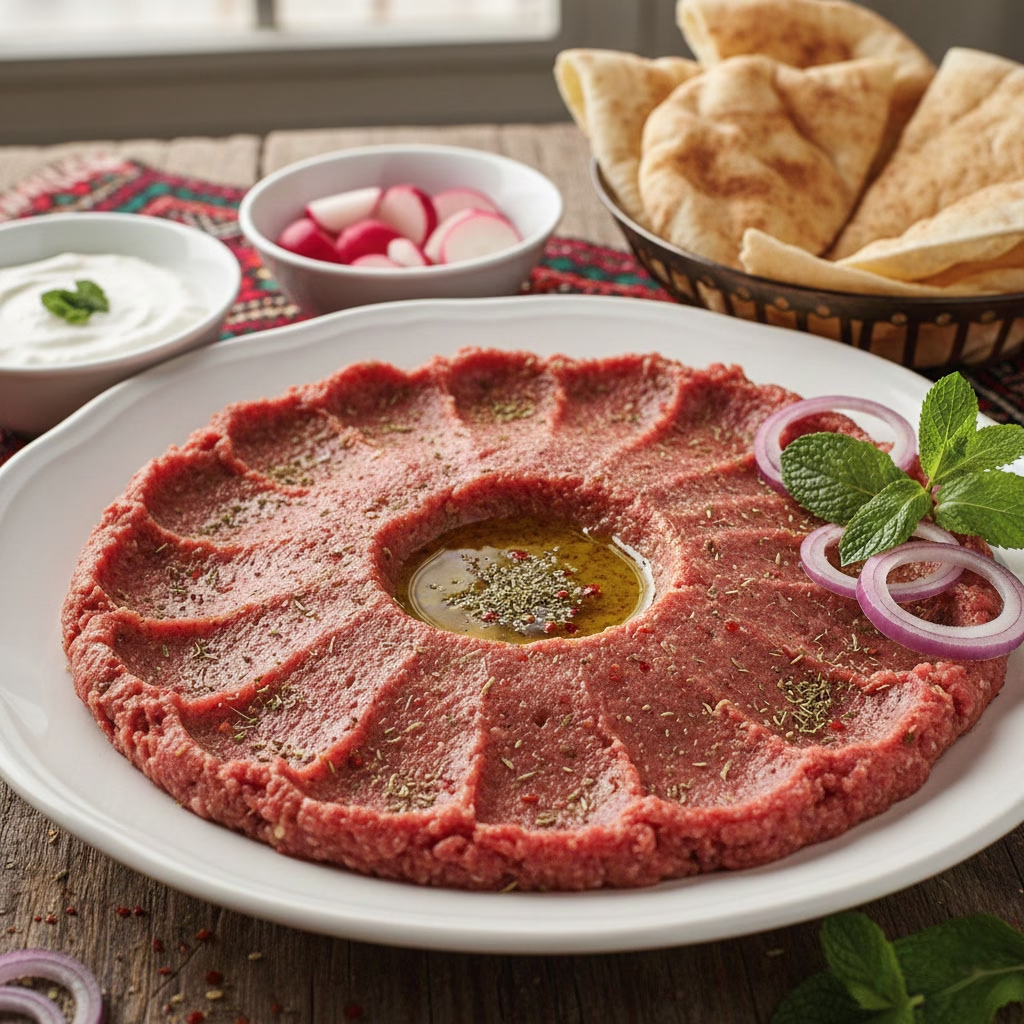
Kibbeh Nayyeh is one of the most iconic dishes of Levantine cuisine – a delicate, savoury blend of raw minced meat and fine bulgur, seasoned with onion, herbs, and warm spices. Often enjoyed in Lebanon, Syria, and parts of Palestine and Jordan, this dish is a symbol of hospitality, family gatherings, and food made with trust and care. Traditionally, Kibbeh Nayyeh is prepared using very fresh, lean lamb or beef, finely minced (often several times) until it becomes silky and smooth. The meat is then kneaded together with fine bulgur wheat, grated onion, fresh mint or parsley, and classic Middle Eastern spices like black pepper, allspice, and sometimes a hint of cinnamon.
What makes Kibbeh Nayyeh special is not just the taste, but the ritual behind it. In many homes, it is prepared early in the day, usually by someone experienced, who knows how to choose the right cut of meat, how to clean it, and how long to knead it until it reaches the perfect texture – a fine, velvety paste. Once shaped on a plate, the top is usually decorated with a diamond pattern and generously drizzled with extra-virgin olive oil. It’s commonly served with fresh mint leaves, sliced onions, radishes, pickles, and warm Arabic bread, making it a central part of the mezze spread.
Because the dish is raw, trust between butcher, cook, and family is very important. In traditional settings, Kibbeh Nayyeh is often prepared on special occasions, such as family gatherings, religious holidays, or when guests are highly respected. For many people in the Levant, eating Kibbeh Nayyeh is not just about food; it’s a cultural experience, tied to memories of home, grandparents, and big family meals shared at one table.
Health & Safety Considerations of Kibbeh Nayyeh
Since Kibbeh Nayyeh is made with raw meat, it is a dish that requires extra care, attention, and hygiene. It can be part of a balanced diet if eaten occasionally and prepared correctly, but it also carries certain health risks if handled the wrong way.
Food Safety – Very Important
Because the meat is not cooked, there is no heat to kill bacteria or parasites. That means food safety is the number one priority:
Use only very fresh meat from a trusted butcher. Many people specifically ask for “kibbeh meat” – a lean, clean cut with no fat, sinew, or gristle.
The butcher should follow proper hygiene – clean tools, clean surfaces, and correct storage temperatures.
The meat should be kept very cold from the time it is bought until it is served.
Ideally, store in the fridge and prepare close to serving time.
Some people even place the mixing bowl over ice while kneading.
Prepare Kibbeh Nayyeh on the same day you buy the meat. Do not use old or previously frozen meat that has been thawed for long.
Once served, do not leave it at room temperature for more than 1–2 hours. If it has been sitting out too long, it should be discarded, not stored and re-served.
Because of the raw nature of the dish, it is not recommended for:
Pregnant women
Elderly individuals
People with weakened immune systems
People with chronic diseases or those advised to avoid raw food
Health Benefits (When Eaten Safely and in Moderation)
If prepared safely and eaten occasionally, Kibbeh Nayyeh can offer some nutritional benefits:
High-quality protein:
The lean meat provides complete protein with all essential amino acids. This supports muscle maintenance, tissue repair, and overall body functions.Iron and Vitamin B12:
Red meat is naturally rich in iron (especially heme iron, which is easily absorbed by the body) and Vitamin B12, which are important for:Healthy red blood cells
Brain and nervous system function
Energy production
Zinc and other minerals:
Meat also contains zinc, important for immune function, wound healing, and enzyme activity, along with small amounts of other minerals like phosphorus and selenium.Complex carbohydrates & fibre from bulgur:
Bulgur wheat is a whole grain, which contributes:Some fibre, helping digestion and supporting gut health
Complex carbohydrates, providing more stable energy compared to refined grains
Small amounts of B vitamins and minerals such as manganese and magnesium
Healthy fats from olive oil:
When served with extra-virgin olive oil, the dish gains heart-friendly monounsaturated fats and antioxidants. Olive oil is associated with:Supporting heart health
Helping reduce “bad” LDL cholesterol when used in place of saturated fats
Providing antioxidant compounds like polyphenols
Fresh herbs and onions:
Mint, parsley, and onions bring:Natural antioxidants
Small amounts of vitamins (like vitamin C and K)
Additional flavour without extra salt or fat
Potential Health Risks
Despite its benefits, there are also risk factors to consider:
Bacterial contamination:
Raw meat can carry bacteria like Salmonella, E. coli, and others if not handled correctly. These can cause food poisoning, leading to symptoms like stomach pain, diarrhoea, vomiting, and fever.Parasites (depending on the region and meat source):
If the meat is not inspected and handled properly, there is a risk (in some countries) of parasites in raw meat.High cholesterol and saturated fat:
Even when lean cuts are used, red meat still contains cholesterol and saturated fat. This may be a concern for people with:High cholesterol
Heart disease
Those advised to limit red meat intake
Portion size and frequency:
If eaten in large portions and very frequently, red meat dishes (raw or cooked) may contribute over time to increased risk of certain health issues. It’s better to treat Kibbeh Nayyeh as an occasional treat, not a daily food.
General Healthy Eating Tips for Kibbeh Nayyeh
Choose lean cuts of meat and remove visible fat.
Enjoy Kibbeh Nayyeh in moderation, especially if you have heart or cholesterol-related concerns.
Balance your meal with:
Lots of fresh vegetables (salad, cucumber, tomato, radish, greens)
Some whole grains and fibre
Light sides instead of fried or very fatty dishes
Drink enough water, and avoid overeating in one sitting.
Approximate Nutritional Information (Per 100 g Serving)
| Nutrient | Approximate Amount (per 100 g) |
| Energy | ~170–200 kcal |
| Protein | ~16–20 g |
| Total Fat | ~8–12 g |
| Saturated Fat | ~3–5 g |
| Carbohydrates | ~6–10 g |
| Dietary Fibre | ~1–2 g |
| Cholesterol | ~50–70 mg |
| Sodium | ~200–300 mg (varies with added salt) |
| Iron | ~1.5–2.5 mg |
| Vitamin B12 | ~1–2 µg |
| Zinc | ~2–3 mg |
Note: These values are approximate and can vary depending on meat type (lamb or beef), amount of bulgur, oil added, and recipe variations. This table is for general informational purposes only and should not be used as a medical or dietary prescription.
Disclaimer: This content is for general information and educational purposes only. It is not a substitute for professional medical or nutritional advice. Because Kibbeh Nayyeh is made with raw meat, it carries a risk of foodborne illness if not prepared and handled correctly. People who are pregnant, elderly, immunocompromised, or have existing health conditions should avoid raw meat dishes unless specifically cleared by their healthcare provider.
If you have any medical conditions, food allergies, or dietary restrictions, or if you are following a therapeutic diet (for example, for heart disease, high cholesterol, diabetes, or immune-related issues), please consult your doctor or a registered dietitian/nutritionist before including raw meat dishes like Kibbeh Nayyeh in your diet.
Steps
1 Done | Prepare the bulgurAdd ½ cup fine bulgur to a bowl. Rinse quickly under cold water and drain. Cover with ice-cold water just enough to soak. Let it sit for 10–15 minutes until soft. Drain very well and squeeze with your hands to remove excess water – bulgur should be damp, not wet. |
2 Done | Prepare the meat: Very important: meat must be very fresh, lean, and properly chilled.Pat the minced meat dry with paper towels. Remove any visible fat or sinew if there is any. Place the meat in a bowl, cover, and keep in the fridge until just before mixing. If your kitchen is warm, you can even place the mixing bowl over another bowl with ice to keep it cold while working. |
3 Done | Seasoning paste (onion + herbs)In a small bowl, combine: • Grated onion • Chopped mint • Chopped parsley Add: • Salt • Black pepper • Allspice • Cinnamon (if using) Mix everything into a paste with a spoon or your fingers. |
4 Done | Mix the Kibbeh NayyehIn a large, cold bowl, add: • The lean minced meat • The drained bulgur • The seasoning paste Using your hands (slightly wet with cold water), knead the mixture for 5–8 minutes: • Press and fold until the meat becomes a smooth, almost dough-like paste. • If the mixture feels too dry or crumbly, add 1–2 tbsp ice-cold water, little by little. • If it feels too wet, you can add 1–2 tbsp more bulgur (previously soaked and drained). Taste a tiny bit just for seasoning (optional and only if you trust the meat). Adjust salt and spices. You’re aiming for a smooth, spreadable, cohesive paste with no visible bulgur lumps. |
5 Done | Shape & plateTransfer the kibbeh mixture to a chilled serving plate. Flatten gently with your hands or the back of a spoon into an even layer, about 1.5–2 cm thick. With a knife, make diamond patterns on the surface (classic look). Drizzle generously with extra-virgin olive oil, letting it fill the cuts. Garnish with: • Mint leaves • Parsley • Sliced onions • A few bulgur grains or pine nuts (optional, some families add toasted pine nuts on top rather than inside) |
6 Done | How to serveServe immediately, while it’s still cold: With warm Arabic bread / pita Alongside radishes, pickles, green onions, olives Squeeze fresh lemon juice on top just before eating for extra brightness. |
7 Done | Important Safety NotesBecause Kibbeh Nayyeh is raw meat: Use only very fresh meat from a trusted butcher. Keep it cold at all times. Prepare it just before serving. Do not leave it at room temperature for long (ideally, eat within 1–2 hours). Not recommended for: • Pregnant women • Elderly people • People with weak immunity • Anyone advised to avoid raw meat |